
Lead Attribution Services That Keep Revenue Reporting Honest
Your lead reports can count every form fill and still miss the decision that matters: which marketing produced a lead sales would actually want again?
OuterBox provides lead attribution services for teams that need call tracking, form tracking, campaigns, CRM attribution, and sales feedback connected to one source record. We help your team see where qualified leads come from, where the process breaks, and which budget moves deserve confidence.



Lead Attribution Services For Sales-Ready Reporting
Lead attribution gets useful when marketing and sales stop arguing from separate reports. Marketing sees sources, sessions, campaigns, and conversions. Sales sees fit, urgency, deal quality, follow-up notes, and revenue potential.
The gap between those views is where budget decisions get messy. A campaign can create a high volume of forms and still produce weak opportunities. Another channel can look modest in analytics but bring in buyers with the right problem, timeline, and account value.
OuterBox builds lead attribution around that practical question. Your team needs to know which sources create serious conversations, which conversion paths create poor-fit volume, and which next move deserves more budget, cleaner tracking, or a stronger landing page.
What A Lead Attribution Engagement Can Include
Lead attribution work usually starts by finding where the source record falls apart, then turning that diagnosis into a clear tracking, reporting, and ownership plan. The service-depth breakdown below maps how an engagement comes together.

Marketing attribution services that credit the full buying path
Your buyers rarely move in one clean line from first visit to form fill. Strong attribution modeling shows which channels introduce demand, which ones keep the conversation moving, and which touch finally turns interest into a qualified lead. Marketing attribution services should make that path easier to compare and explain.
- First-touch and last-touch views show what opens the relationship and what closes the conversion.
- Linear and position-based models keep assist value visible when several channels share the same lead.
- Time-decay models fit longer sales cycles where late-stage touches carry more influence.
- Data-driven models become useful when conversion volume is high enough to support reliable comparison.
- Brand, nonbrand, remarketing, and email touches stay separated before the model assigns shared credit.
Budget decisions get stronger when every meaningful touchpoint earns the credit it actually contributed to revenue.
Lead tracking services for calls, forms, chats, and source data
Phone calls and form fills should not break away from the campaign that earned them. Call tracking analytics connects inbound calls with the same source, campaign, keyword, and landing-page context that follows web forms. Lead tracking services need that shared source record before attribution can be trusted.
- Call source data follows dynamic number insertion, caller quality notes, spam filtering, and missed-call visibility.
- Form submissions keep UTM, gclid, page path, device, and referrer data attached to the lead record.
- Chat and scheduling conversions use the same source fields, so assisted leads do not disappear into separate tools.
- Duplicate leads are easier to merge when email, phone, timestamp, and original source fields stay consistent.
- Offline sales stages can return to the same record when qualified-lead or closed-won status changes.
Cleaner source data gives sales and marketing one lead story instead of several partial records.
Marketing attribution consulting with reporting leadership can use
Leadership needs a reporting view that explains revenue movement instead of another dashboard no one opens. Marketing attribution consulting should connect web analytics fundamentals with the channel, campaign, keyword, and sales-stage details that matter after a lead becomes pipeline.
Looker Studio or BI dashboards can separate executive numbers from operator detail. Executives may need qualified leads, pipeline value, closed-won revenue, cost per opportunity, and channel contribution. Channel owners may need campaign naming errors, landing-page shifts, assisted conversions, call quality, and the next issue to investigate.
The reporting structure matters as much as the chart. Each view should have a decision owner, a refresh cadence, and plain definitions for source, lead quality, and revenue credit.
Stakeholders move faster when the report shows what changed, why it changed, and which decision deserves attention before the next planning meeting.
Conversion tracking and UTM governance for cleaner attribution data
Conversion data gets messy when every campaign, form, and platform names the same action differently. Google Analytics consulting gives marketing attribution services a cleaner event structure before the numbers reach dashboards, ad platforms, or the CRM.
- Key events can include generate_lead, form_start, call_click, schedule_demo, qualified_lead, and closed_won.
- UTM rules keep source, medium, campaign, content, and term fields readable across paid, organic, email, social, and partner traffic.
- Source fields stay protected from overwrite, so a retargeting click does not erase the original demand source.
- QA checks compare browser events, form records, call logs, and CRM fields before reports become the source of truth.
- Naming rules keep new campaigns from creating separate versions of the same source.
Cleaner conversion data gives every channel a fairer, more stable read on the demand it created or helped close.
Attribution consulting that turns channel data into budget decisions
Lead attribution becomes valuable when it changes what your team does next. Cross-channel CRO analysis can show whether paid traffic, organic pages, email nurture, landing-page friction, or sales follow-up is limiting conversion quality. Attribution consulting should turn those signals into practical budget and funnel decisions.
- CPA, ROAS, assisted conversions, and qualified-lead rates are easier to compare when every channel uses the same source rules.
- Monthly movement shows which campaigns create pipeline, which ones create unqualified volume, and which ones need a different landing-page path.
- Sales feedback adds context when a campaign looks efficient in analytics but weak inside the CRM.
- Channel notes keep the reason for each budget shift visible after the dashboard number changes.
Budget moves become easier to defend when lead quality, channel cost, and revenue influence appear in the same view.
Marketing attribution agency strategy before tags and dashboards multiply
An attribution build should start with the gaps that already distort reporting. Duplicate CRM records, overwritten source fields, missing phone-call context, consent gaps, and disconnected ad platforms can all make the same lead look different depending on where someone checks. A marketing attribution agency should find those issues before new reports make them look official.
The audit should cover source-field behavior, UTM consistency, lead-to-account matching, offline conversion flow, dashboard ownership, and revenue handoff points. A web intelligence layer can then show which pages, forms, calls, and campaigns deserve closer tracking.
Strategy turns the audit into a sequence. Data defects that change revenue reporting move first; cleanup items that improve usability can follow after the source record is stable.
A cleaner roadmap gives your team the right order of work before tools, tags, and dashboards multiply the same problem.
CRM integration and lead attribution services built for privacy shifts
Your data model has to keep working as cookies fade, consent rules tighten, and browsers limit what scripts can see. CRM integration and lead attribution services need privacy-aware capture that still preserves the business context behind each lead.
- Consent Mode v2, server-side tagging, and first-party source fields help protect measurement when browser-side signals change.
- Offline conversion uploads push qualified leads, opportunities, and closed-won outcomes back into ad platforms without exposing unnecessary customer detail.
- CRM field rules define which source values can update, which values stay locked, and how sales-stage changes flow back to reporting.
- LOOP Analytics can connect lead quality, annotations, and channel history when form and call records need more context.
- Retention rules keep audit history available without storing more personal data than reporting requires.
Your attribution system stays more durable when privacy, CRM structure, and lead quality are planned together.
Call Tracking, Form Tracking, And CRM Attribution Need One Lead Record
Your buyer may click a paid ad, leave, return through organic search, read a service page, submit a form, and call two days later. If each touch creates a separate record, the report will reward whatever system happened to catch the final action.
Call tracking keeps phone leads connected to source, campaign, landing page, and call outcome. Form tracking keeps UTM fields, click IDs, page paths, device data, and timestamps attached to the submission. CRM attribution keeps the sales-stage changes tied to the same lead record instead of burying them in a separate sales note.
That shared record is what lets marketing read lead quality without guessing. When the same source record carries the call, the form, the CRM stage, and the sales disposition, your team can separate cheap volume from qualified demand.
See How Our In-House Lead Tracking Tool, LOOP Analytics, Works
LOOP Analytics connects your calls, forms, CRM stages, and sales feedback to source and revenue, so your team can see which marketing produces qualified leads worth pursuing.
LOOP Analytics, OuterBox's proprietary lead tracking and attribution platform.
Attribution Models Should Stay Secondary To Lead Quality
Attribution models matter, but they are not the starting point. First-touch, last-touch, linear, time-decay, position-based, and data-driven models each answer a different question. First touch can show which channels introduced the right buyers. Last touch can show what pushed someone to convert. Linear and position-based models can keep assist value visible when a lead needed several interactions before reaching sales.
The useful model is the one that answers the decision in front of your team. A paid search account may need offline conversion feedback so bidding learns from qualified leads instead of every form. A content program may need page-level source data so investment follows the pages that produce serious opportunities.
For the deeper online channel and model discussion, online lead attribution covers the broader path across campaigns, online touchpoints, and marketing attribution structure. This page stays focused on the lead record sales has to trust.
Lead Quality Reporting Should Change The Next Budget Move
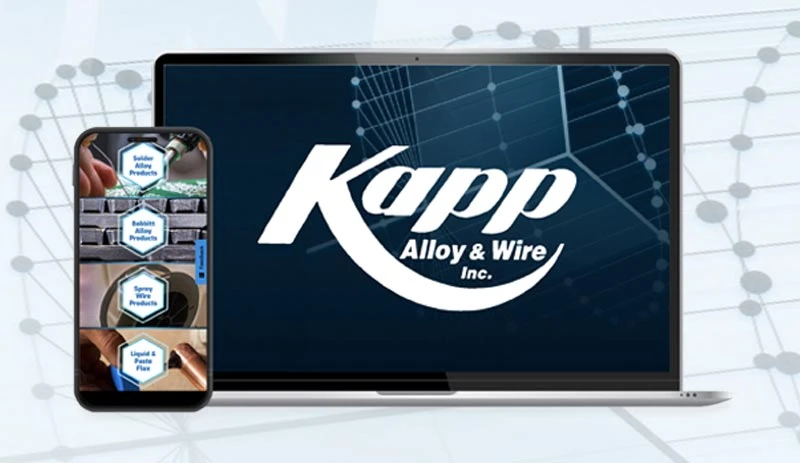
Kapp Alloy & Wire needed better lead quality, not more low-value hobbyist orders. OuterBox used LOOP Analytics to identify which content drove larger B2B orders, then optimized pages around the grade and material details those buyers cared about. The published case study reports the results below.
Lead Attribution Services
Are You Ready for Better Lead Attribution?
Get your free consultation. We’ll respond within 24 hours, Mon–Fri. Prefer to talk now? Call 1-866-647-9218 (9–5 EST).
Services
"*" indicates required fields

Why OuterBox For Lead Attribution?
Lead attribution sits between analytics, paid media, SEO, CRO, development, content, CRM reporting, and sales operations. A clean report can still fail if one of those pieces is disconnected.
OuterBox has built digital marketing programs since 2004. Our 300+ USA-based, in-house experts (a.k.a. "Boxers") work across the same disciplines attribution depends on: tracking, dashboards, paid search, SEO, web development, conversion paths, content strategy, and executive reporting.
That structure matters when the issue is not only analytics. A source-field problem may need a form fix. A lead-quality problem may need sales-stage cleanup. A paid media problem may need offline conversion feedback. A reporting problem may need Google Analytics consulting and CRM definitions in the same room. OuterBox brings those pieces together so lead attribution does not become another report nobody owns.
20+ Years
Digital Marketing Agency
1000+
Successful Client Partnerships
2M+
Page #1 Google Rankings
300+
USA-Based, In-House Experts

OuterBox has helped clients achieve 2M+ page #1 Google rankings—paired with accurate attribution, that visibility turns into measurable revenue. Learn more >
Related Analytics Services from OuterBox
Related Analytics Services



Get A Lead Attribution Scope
Tell us where the lead story breaks: call tracking, form tracking, campaigns, CRM stages, lead quality reporting, offline conversions, dashboards, or the gap between marketing reports and sales reality.
OuterBox will review the situation, outline the likely scope, and help your team decide what should be fixed first. Fill out the form or call (866) 647-9218 to talk through the reporting problem you want solved.
Lead Attribution FAQs
What is lead attribution?
Lead attribution connects a lead to the marketing source, campaign, page, call, form, CRM stage, or sales outcome that influenced it. The useful version goes beyond raw conversion count and shows which sources create qualified leads your sales team can pursue.
How is this different from online lead attribution?
Lead attribution focuses on the lead record your team uses to judge source quality across calls, forms, and CRM stages. Online lead attribution is the broader online path across digital touchpoints, campaign assists, and model selection. OuterBox can connect both when the engagement requires it.
What is the difference between single-touch and multi-touch attribution?
Single-touch attribution gives credit to one interaction, such as the first visit or final conversion. Multi-touch attribution distributes credit across several interactions. Lead-generation teams often need both views because the first source and the closing touch can answer different budget questions.
Can lead attribution include phone calls and form leads?
Yes. Strong lead attribution should include phone calls, form fills, chat events, appointments, CRM stage changes, and sales dispositions when those are part of the buyer journey. Phone data usually needs call tracking so the source, page, campaign, and call outcome stay connected.
Can OuterBox connect attribution with our CRM?
OuterBox can help map campaign, form, call, and source data into CRM fields and reporting workflows. The exact setup depends on your CRM, form stack, phone system, ad platforms, consent requirements, and how your sales team defines qualified leads and opportunities.
How does lead attribution improve budget decisions?
Lead attribution improves budget decisions by separating raw lead volume from qualified demand. Your team can see which campaigns create serious conversations, which sources create poor-fit leads, and which pages or channels deserve more investment.
What should we prepare before a lead attribution consultation?
Bring your site URL, current reporting problems, main lead forms, phone system, ad platforms, CRM, campaign naming rules, sales-stage definitions, and examples of reports that do not match. If marketing and sales disagree about lead quality, bring that gap too.
Related Articles: Lead Attribution Services

Analytics | 5 min read
Thomas Jefferson once said, “Not all leads are created equal.” I think. Okay, he didn’t say that, but this sentiment holds true. Learning the elements…

Analytics | 5 min read
Whether you own a lead generation website or an eCommerce website , it is essential not only to track how many visitors your site gets,…
Analytics | 5 min read
Web analytics in digital marketing is more than just a tool for tracking website visitors — it helps businesses understand user behavior, conversion paths, and…