
eCommerce Marketing Services Built Around How Your Store Sells
An eCommerce marketing consultant should help your store turn traffic, products, campaigns, and tools into revenue. OuterBox builds eCommerce marketing services around your store, your channels, and your revenue model, so SEO, PPC, Shopping, CRO, email, content, analytics, and development work together on a cleaner path from shopper demand to profitable orders.
eCommerce Marketing Has To Match The Way Your Store Actually Sells
eCommerce marketing is the work of building demand, bringing qualified shoppers into the store, helping them choose, and keeping them engaged after the first order. That sounds simple until the catalog, platform, margins, promotions, inventory, product data, and reporting all start affecting channel performance at the same time.
Your eCommerce marketing consultant should see the constraints before spend increases. Organic search depends on category structure, internal links, product content, and crawl rules. Paid media depends on product-feed quality, landing-page match, budget structure, and conversion data. CRO depends on how shoppers compare products, handle variants, trust shipping promises, and move through checkout.
Email, lifecycle, content, social, affiliate, and analytics add more moving parts. The program works when each channel has a clear job and every result reads against revenue, margin, average order value, lifetime value, and the next decision your team needs to make.
Your team gets a plan that can move from diagnosis into execution. The goal is not more activity in every channel. The goal is a cleaner path from shopper demand to profitable revenue.
What Your eCommerce Marketing Program Has To Cover
These workstreams belong together because eCommerce performance usually breaks across handoffs. The protected service module below covers each major channel inside an eCommerce marketing program, from SEO and paid search to CRO, content, development, analytics, email, and affiliate.
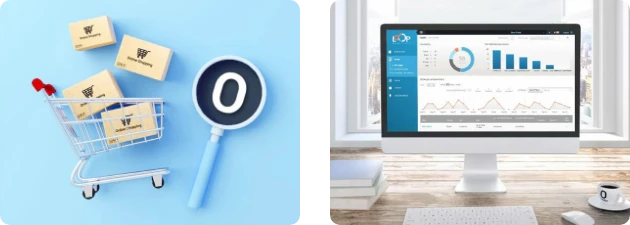
eCommerce SEO services for crawlable catalog growth
Your catalog can only win organic demand when search engines can understand products, categories, and internal relationships. eCommerce SEO services give the broader ecommerce marketing services program a foundation that paid media, content, email, and CRO can all build on. The work has to protect product discovery while giving merchandisers a structure they can maintain as SKUs, filters, and seasonal priorities change.
- Category templates need mapped titles, H1s, intro copy, breadcrumbs, and internal links tied to real search demand.
- Faceted navigation rules should separate indexable category opportunities from duplicate filter paths that waste crawl budget.
- Product pages need Product, Offer, review, and breadcrumb schema where the data is accurate enough to support it.
- Content hubs should connect buying guides, comparisons, and category education back to revenue pages without forcing shoppers backward.
Catalog visibility grows when search architecture, product data, and content priorities work from the same commercial map across every revenue channel.
Paid search and Shopping campaigns tied to feed health, margin, and demand
Paid media gets expensive when the product feed, campaign structure, and margin model are managed in separate conversations. A strong eCommerce PPC plan connects Google Ads, Microsoft Ads, Shopping, Performance Max, and landing-page feedback before spend starts chasing low-value clicks. The channel needs enough structure for fast decisions when inventory, seasonality, and acquisition cost move at the same time.
- Google Merchant Center needs clean product titles, GTINs, images, availability, price, shipping, and promotion data.
- Search campaigns should separate brand, non-brand, competitor, category, and product-intent terms so budget decisions stay readable.
- Shopping and Performance Max work better when ROAS, MER, margin, and inventory realities shape bids and exclusions.
- Landing-page feedback should move back into SEO, CRO, and merchandising when paid traffic exposes a weak PDP or category path.
Paid efficiency improves when feed quality, shopper intent, and revenue measurement are reviewed as one operating loop.
Social advertising that turns product discovery into retargeting paths
Product discovery often starts before a shopper has a search query. Social advertising helps the brand create that first moment, then stay visible as the shopper compares products, leaves the site, joins an email list, or comes back through a cart path. Ecommerce social media marketing has to connect creative, catalog data, audiences, and landing pages so the channel supports the rest of the revenue system.
Meta catalog ads, dynamic product sets, CRM audiences, and site-behavior segments give the program more than broad prospecting. Social media marketing can use product views, cart behavior, order history, and content engagement to shape offers for new buyers and returning customers. Creative testing also feeds other channels because the product angle that earns attention in social often exposes language worth using on PDPs, emails, and paid search ads.
Product discovery becomes more useful when audience memory, catalog signals, and remarketing paths keep the shopper moving after the first click.
CRO focused on the places shoppers hesitate
Traffic only matters when the store helps buyers finish the decision. Conversion rate optimization gives ecommerce CRO work a testing plan for the pages where shoppers compare, question, abandon, or need one more trust signal before they move. The strongest programs start with shopper evidence before turning every suggestion into a design debate.
- PDP tests can evaluate image order, option selection, reviews, delivery promises, warranty language, and add-to-cart clarity.
- PLP tests should check filters, sorting, product cards, badges, and category copy against how shoppers narrow choices.
- Cart and checkout reviews need attention to payment options, promo codes, shipping costs, account creation, and error states.
- Heatmaps, session recordings, A/B tests, add-to-cart rate, and checkout completion should guide ecommerce optimization priorities.
Testing discipline turns shopper hesitation into a clearer backlog for design, copy, merchandising, and development teams that all see the same revenue problem clearly.
Content marketing for buyers who compare before they cart
Shoppers often need help before a product page can close the sale. They compare materials, sizes, use cases, brands, compatibility, gifting angles, care instructions, and price tiers, and that research should not sit outside the store’s revenue path. Content marketing gives ecommerce content marketing a way to answer those questions while supporting category pages, internal links, and long-tail search demand.
Buying guides, comparison pages, gift guides, category explainers, and seasonal content can all move shoppers closer to the right product when they are planned with merchandising data. The useful detail belongs close enough to the catalog to support discovery, but structured enough for search engines and internal teams to understand its role. Content should also hand signals back to SEO, paid search, email, and CRO when readers show repeated questions or hesitation.
Buyer education works harder when it connects research behavior to the products, categories, and offers the store needs to grow.
eCommerce web development that keeps marketing work shippable
Marketing plans stall when the site cannot support the changes they require. eCommerce website design and development work need to account for the platforms, templates, tracking, and checkout paths behind every channel plan. The roadmap should make routine marketing changes safe enough to ship without creating new catalog, speed, or tracking problems.
- Shopify, BigCommerce, Magento, and WooCommerce each create different limits around merchandising, integrations, and ownership.
- Product, category, cart, and checkout templates should support SEO requirements before the campaign calendar gets busy.
- Core Web Vitals, image handling, scripts, and app load should stay visible as teams add promos, reviews, tags, and tools.
- Tracking changes need QA before launch so GA4, ad platforms, email tools, and affiliate reporting read the same events.
- Platform updates, release windows, and rollback plans should be part of the roadmap when revenue depends on the storefront.
Implementation capacity keeps the marketing roadmap from turning into a wish list the site cannot safely ship.
Analytics and reporting connected to revenue decisions
Commerce teams need reporting that explains what to do next instead of another dashboard full of disconnected channel totals. Analytics reporting should connect ecommerce analytics to revenue, product demand, campaign cost, customer value, and site behavior. That structure matters when teams are deciding whether a problem belongs to the feed, the landing page, the offer, the audience, or the product itself.
- GA4 events such as view_item, add_to_cart, begin_checkout, and purchase need consistent naming and QA.
- Revenue, ROAS, MER, AOV, LTV, and product performance should be visible by channel and campaign where possible.
- Dashboards should separate acquisition, merchandising, checkout, retention, and attribution questions so decisions do not blur.
- Call, form, chat, CRM, and platform data need clear ownership when the buying path moves beyond the cart.
Reporting clarity gives leaders a shared view of which channels need budget, which pages need work, and which products deserve attention before another planning cycle starts.
Email lifecycle marketing built from purchase behavior
Your customer list is only useful when the timing, message, and offer match what the shopper has actually done. Email marketing gives ecommerce email marketing a lifecycle structure around first purchase, repeat purchase, product interest, category behavior, and churn risk. The channel should feel connected to the store and the merchandising plan before the campaign calendar is finished. Product cadence matters too because replenishment, gifting, and subscription timing rarely follow one universal schedule.
Welcome, browse abandonment, cart abandonment, post-purchase, replenishment, review request, winback, and VIP flows all need different triggers and content. Segmentation should reflect product type, purchase frequency, discount sensitivity, order value, and engagement history. Campaign sends can support launches and promotions, but the lifecycle program carries more weight when automation keeps working between campaign pushes and merchandising shifts.
The email program becomes more dependable when purchase behavior, merchandising priorities, and retention goals shape the sequence across categories, seasons, and repeat-purchase windows.
Affiliate programs that add reach without muddy attribution
Affiliate can expand reach when partner rules, commission logic, and measurement are clear before recruitment starts. Affiliate eCommerce marketing should fit the broader channel plan so coupon, content, loyalty, influencer, and review partners support incremental sales instead of taking credit for demand another channel created. The program also needs enough governance for brand, legal, and merchandising teams to trust the partner mix.
- CPA and CPS commission models need margin checks by category, offer, customer type, and publisher class.
- Network selection should account for approval workflows, fraud controls, reporting depth, and partner mix.
- Attribution windows need rules for coupon paths, paid search overlap, email overlap, and returning-customer behavior.
- Publisher communication should clarify allowed claims, brand terms, promotional calendars, exclusions, and product priorities.
Partner revenue grows cleaner when affiliates, paid media, email, analytics, and merchandising teams can see how each sale was influenced across the same reporting view together with fewer attribution arguments.
How SEO, PPC, CRO, Email, And Analytics Reinforce The Store
Your strongest categories should guide more than one channel. Search demand shows which category pages need content and which products deserve merchandising support. Paid media exposes which terms and products earn clicks but fail to convert. CRO shows where shoppers hesitate before the cart, and analytics separates a traffic-quality problem from a storefront problem.
That feedback loop matters most when the catalog changes often. Your eCommerce channels share the same priorities:
- Category and product pages get search, merchandising, and conversion context before they become campaign destinations.
- Product feeds, Shopping campaigns, and paid search stay tied to margin, inventory, and landing-page quality.
- Content supports the products and categories that need stronger buyer education, not disconnected blog traffic.
- Email and lifecycle respond to purchase behavior, category timing, and customer value instead of one broad promotion calendar.
- Reporting shows revenue movement, channel context, and next actions for marketing, merchandising, finance, and leadership.
That operating model gives every specialist better context, and analytics keeps the program honest when the numbers do not line up.
Real eCommerce Results
eCommerce Results From Work That Reached Past One Channel
Growth usually comes from solving the constraint holding the whole store back: channel structure, checkout, lifecycle marketing, product data, or a platform migration that needs SEO recovery.
1,103% Revenue Growth
Lethal Performance needed SEO and paid media working together after a new site launch left growth on the table. The integrated program drove a 1,103% revenue increase and 923% online sales growth over three years, with paid revenue up 479%.

44% Revenue Lift
Di Bruno Bros. needed a better path for shoppers gifting to multiple recipients. A rebuilt BigCommerce Stencil theme with custom multi-ship checkout produced a 44% revenue increase and 23% higher average order value.

51% of Revenue From Email
Unclaimed Baggage grew email and SMS into a larger retention engine. The lifecycle program generated 51% of revenue from email over the last 12 months, with 40,300 attributed orders and 143,100 contacts.
145% Revenue Increase
NRS World needed recovery after a Shopify migration disrupted organic performance. SEO and site improvement work produced a 145% revenue increase, 74% organic traffic growth, and a 332% keyword ranking lift.
Meet OuterBox
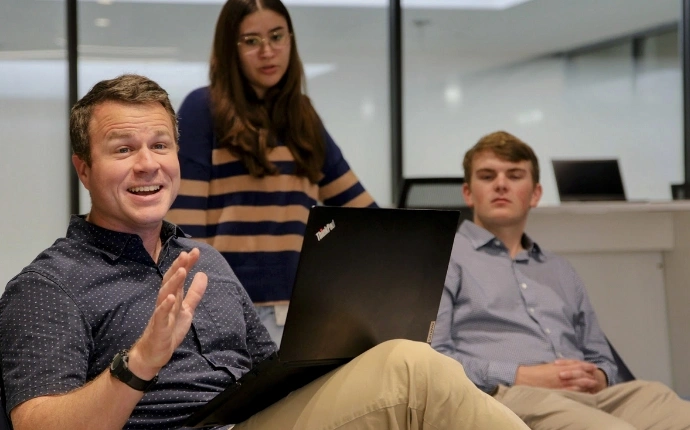
We are an eCommerce-first digital marketing agency with 20+ years of experience helping brands compete and win online—even against giants like Amazon. Our 300+ in-house specialists (no outsourcing) plan and execute SEO, PPC, CRO, content, and web development under one roof in the USA. We’ve launched 500+ eCommerce websites and helped clients earn 2M+ page #1 Google rankings, backed by certified Google Ads teams and monthly reporting tied to clear KPIs.
20+ Years
Digital Marketing Agency
1000+
Successful Client Partnerships
2M+
Page #1 Google Rankings
300+
USA-Based, In-House Experts
Why eCommerce Teams Choose OuterBox
The difference is continuity. Your eCommerce marketing agency should understand what happens before the click, after the click, and after the first purchase.

- Store diagnosis: your traffic, catalog, product data, pages, checkout, and reporting are reviewed together.
- Catalog and platform fluency: product pages, categories, filters, feeds, variants, and platform limits stay part of the plan.
- Channel coordination: SEO, paid media, CRO, email, content, analytics, and development pull in the same direction.
- Feed and campaign alignment: Shopping, paid search, and landing-page decisions reflect margin, inventory, and product value.
- Conversion and retention: the program addresses PDPs, PLPs, cart, checkout, email, and repeat purchase, not just the click.
- Reporting: revenue context, channel movement, and next priorities live in the same conversation.
- Execution depth: the plan moves into SEO, paid media, CRO, content, email, analytics, design, development, and maintenance.
Typical Agency
- Store diagnosis: one channel may be reviewed without the store constraints that shape performance.
- Catalog and platform fluency: storefront issues may be treated as another team’s problem.
- Channel coordination: channels may optimize separate metrics without resolving the shared revenue constraint.
- Feed and campaign alignment: campaigns may be managed around platform totals that hide product-level issues.
- Conversion and retention: traffic growth may be separated from the buying path and customer lifecycle.
- Reporting: reports may show activity without making the next decision clearer.
- Execution depth: your team may need to translate recommendations across multiple vendors.
Related eCommerce Growth Services
eCommerce Marketing Services That Extend Your Program



From Start-Ups To Fortune 500 Companies, Our Clients Are Succeeding Online










eCommerce Marketing Services FAQs
What are eCommerce marketing services?
eCommerce marketing services help online stores attract shoppers, convert traffic into orders, and keep customers engaged after purchase. The work can include SEO, PPC, Shopping, social advertising, CRO, content, email, affiliate, analytics, and development support.
What does an eCommerce marketing consultant do?
An eCommerce marketing consultant helps identify what is limiting store growth and which work should happen first. That may include reviewing channel performance, catalog structure, product feeds, conversion paths, reporting, email lifecycle, platform constraints, and the way teams prioritize revenue work.
How is eCommerce marketing different from eCommerce SEO?
eCommerce SEO is one part of eCommerce marketing. SEO focuses on organic search visibility for categories, products, content, and technical site health. eCommerce marketing includes SEO plus paid media, CRO, email, social, affiliate, analytics, and the store changes that help traffic become revenue.
Which channels should an eCommerce marketing program include?
The right mix depends on your store, catalog, margins, customer behavior, and growth stage. Many programs include organic search, paid search, Shopping, paid social, email, content, CRO, affiliate, analytics, and development support. The important part is assigning each channel a clear role instead of funding every channel equally.
How do you measure eCommerce marketing performance?
Useful measurement connects channel activity to business outcomes. Your team should be able to see revenue, transactions, ROAS, MER, AOV, LTV, conversion rate, product or category performance, traffic quality, and the work that shipped. The report should make the next decision clearer.
How much do eCommerce marketing services cost?
Cost depends on store size, catalog complexity, platform, competition, channel mix, content needs, development support, analytics quality, and how much execution your team needs from OuterBox. The right scope starts with the store’s current constraint and the revenue goal you are trying to reach.
How do we get started with OuterBox?
Bring your store URL, current channel mix, product or category priorities, reporting questions, and the revenue problem you want solved. OuterBox will review where the program is today and explain where we would look first. You can also call 1-866-647-9218 during business hours.
Get An eCommerce Marketing Consultant Plan Built Around Your Store
Your next growth plan should start with the store you actually operate: the products, margins, feeds, campaigns, pages, platform, customers, and reporting your team depends on. Use the form on this page to start an eCommerce marketing conversation, or call 1-866-647-9218.