
Google Ads Agency for Performance-Driven Management
OuterBox is a Premier Google Partner and Google Ads agency with 20+ years of paid search management experience. Our certified in-house team plans, builds, and improves campaigns across Search, Shopping, Performance Max, Display, and YouTube, with reporting tied to qualified leads, revenue, CPL, and ROAS.
"*" indicates required fields
"*" indicates required fields
Years managing paid search and performance marketing
Google Ads spend managed across client campaigns


Google Ads Agency & Management Services
Google Ads management works when strategy, tracking, creative, landing pages, and reporting all point at the same business goal. Bids matter, but they cannot fix a weak conversion setup, a messy account structure, poor search term hygiene, or a landing page that fails to match the ad.
Our Google SEO services are planned and measured as a separate program. Paid performance and organic visibility answer to different systems inside Google.
OuterBox manages Google Ads accounts with that full system in mind. We structure campaigns around how your buyers search, what your products or services need to prove, and how your business measures success. For lead generation, that may mean separating qualified form fills from junk leads and importing closed opportunities from your CRM. For eCommerce, it may mean improving Merchant Center data, segmenting Shopping and Performance Max, and reporting against revenue instead of clicks.
The result is a Google Ads management services program built to reduce waste, improve decision-making, and give every campaign a clear job.
What Our Google Ads Management Services Include
From smart setup to continuous optimization, every task focuses on profitable growth through paid search. We build for intent, protect tracking quality, and report what the business can act on.

Find high-intent queries and gaps in your market.
In Google Ads, the keywords you target determine everything downstream: who sees your ads, what you pay for clicks, and whether the traffic you’re buying actually converts. Broad, unfocused keyword strategies burn budget on clicks that were never going to become customers. Our keyword research and targeting process is built to make sure every dollar is working against real purchase intent.
We start with your ideal customer profile and work outward — mapping who you’re trying to reach to the specific queries they’re using at the moment they’re closest to a decision. That intent-first approach shapes every targeting choice we make, from the keywords we prioritize to the match types we assign to the negative keyword lists we build to protect your spend.
Competitor analysis is a core part of the process. We audit what your competitors are bidding on, where they’re showing up, and where there are gaps in the market your campaigns can exploit. Understanding the competitive landscape doesn’t just inform strategy — it reveals opportunities that keyword tools alone won’t surface.
Match types, negatives, and audience layering are where targeting strategy gets operationalized. Tight match type discipline keeps your ads showing for the right queries and out of auctions they have no business being in. Negative keyword lists are built and maintained with rigor, blocking irrelevant traffic before it costs you anything. Audience layering adds another dimension of precision — overlaying behavioral and demographic signals that sharpen your targeting beyond keywords alone.
The result is a campaign structure built around qualified clicks, not just clicks — focused spending that reaches the prospects most likely to convert and avoids the budget waste that undermines so many Google Ads programs.
Build a clean foundation that tracks what matters.
Accurate measurement is the foundation every other Google Ads decision is built on. If your tracking is broken, inconsistent, or incomplete, you’re optimizing against bad data — and bad data leads to bad decisions, no matter how strong the rest of your campaign structure is. Our tracking and account setup process is designed to make sure the numbers you’re looking at actually reflect what’s happening in your business.
We start with a thorough audit of your existing account structure, data feeds, and naming conventions. Messy architecture — inconsistent campaign names, misaligned ad groups, poorly structured feeds — makes reporting harder to read and optimization harder to execute. We clean that foundation before anything else, so every subsequent decision is made against a structure that’s logical, scalable, and easy to navigate.
On the measurement side, we implement GA4 and enhanced conversions to capture the full picture of how users interact with your site after clicking an ad. For businesses where offline activity matters — phone calls that turn into sales, leads that close in a CRM — we implement offline conversion imports that bring that data back into Google Ads, giving the algorithm the signals it needs to optimize toward real revenue rather than just form fills.
Brand and non-brand segmentation is addressed as a structural standard, not an optional refinement. Keeping brand and non-brand traffic separated gives you precise control over how budget is allocated between the two, and produces cleaner ROAS and CPL visibility that actually means something. Blended reporting obscures performance and leads to misguided budget decisions — clean segmentation eliminates that problem from the start.
The result is an account built on accurate, complete measurement — giving you the visibility to make confident decisions and giving your campaigns the data foundation they need to perform.
Custom structures for Search, Shopping, PMAX, Display, and Video.
No two campaign types in Google Ads work the same way, and treating them as if they do is one of the most common and costly mistakes advertisers make. Our campaign architecture process is built around the specific mechanics, strengths, and risks of each format, with structures designed to maximize performance across Search, Shopping, Performance Max, Display, and Video.
Search campaigns are built with tight thematic segmentation — ad groups organized around specific intent clusters rather than broad keyword buckets. That structure gives us precise control over messaging, bidding, and budget allocation, and makes optimization cleaner and more actionable as performance data accumulates.
Shopping campaigns are optimized at the feed level, where the real leverage is. Product titles, attributes, and categorization are refined to improve visibility and match relevance — because in Shopping, your feed is your targeting. A well-optimized feed reaches more of the right queries without bidding changes alone.
Performance Max is deployed with guardrails. Left unconstrained, PMAX can cannibalize brand traffic, waste spend on low-quality placements, and obscure performance behind opaque reporting. We implement exclusions, audience signals, and structural controls that keep PMAX working as an incremental growth channel rather than a budget drain dressed up in automation.
Display and Video campaigns are structured around funnel stage and audience intent — serving the right message to the right person based on where they are in the buying journey. Prospecting audiences, remarketing segments, and custom intent lists are each handled in dedicated structures that allow for independent budget control and clear performance visibility.
The result is a full-funnel campaign architecture where every format is doing the job it’s actually suited for, every asset group is aligned to a clear theme and audience, and efficiency is protected at every layer of the account.
Message-match ads that win the auction and the click.
Winning an auction is only valuable if the ad that shows up earns the click, and earning the click is only valuable if what comes next delivers on what the ad promised. Message match across ad copy, offer, and landing page experience is the thread that connects all three, and it’s where a lot of Google Ads programs quietly leak performance.
Our ad creative process starts with your offer and works outward. Copy is written to speak directly to the intent behind the query — addressing what the searcher is looking for, why your offer is the right answer, and what they should do next. Every headline and description is crafted with conversion in mind, not just click volume.
Creative variants are developed systematically, giving Google’s algorithm meaningful differences to test rather than superficial ones. Strong RSA performance comes from genuine creative diversity — different angles, different value propositions, different calls to action — and we build that variety deliberately.
Extensions are implemented as a standard part of every campaign build. Sitelinks, callouts, and structured snippets expand your ad’s real estate, improve Quality Score, and give searchers additional entry points and reasons to engage. They’re not optional enhancements — they’re table stakes for competitive auction performance.
Quality Score improvement runs through everything we do in this area. Better copy relevance, stronger CTR, and tighter landing page alignment all feed into a higher Quality Score — which reduces what you pay per click and improves where your ads show. The result is an ad program that wins auctions more efficiently and converts the traffic it earns.
Turn more clicks into leads and sales.
Clicks are only worth what they convert into. A well-targeted, well-written ad that lands on a slow, generic, or misaligned page is money left on the table, and it’s one of the most common sources of underperformance in otherwise solid Google Ads programs. Our landing page and CRO work is built to close that gap.
We start with alignment. Every ad should land on a page that directly reflects the offer, audience, and intent behind the click. That means fast load times, relevant headlines that match ad messaging, and clear calls to action that make the next step obvious. When that alignment is tight, conversion rates go up and Quality Scores follow.
Structured experimentation is how we improve from there. We test headlines, form length and placement, social proof elements, layout variations, and offer framing — running controlled experiments that produce real evidence rather than opinions about what works. Every test is designed to answer a specific question, and every result informs what we build next.
CRO best practices are applied throughout — from page hierarchy and visual flow to trust signals and friction reduction. Small, compounding improvements in conversion rate have an outsized impact on your overall program efficiency. A meaningful lift in CVR effectively lowers your CPL and CPA across every campaign running to that page, making your entire ad spend work harder without increasing budget.
Scale what’s working and cut what isn’t, without guessing.
Performance in Google Ads stalls not because the strategy was wrong at launch, but because ongoing optimization runs reactive and uneven. Bids get tuned once and forgotten. Budgets stay static while CPCs shift underneath them. Audience lists decay as first-party signals age. That’s where performance quietly leaks away.
We start with segmentation. Bids are tuned by device, location, time-of-day, and audience — each segment treated as its own unit so we can see where efficiency actually lives. Budgets are reallocated at the campaign, ad group, and match-type level based on return, not based on what was approved three quarters ago. Every change gets logged in the Google Ads change-history so lifts and regressions are traceable.
Negative keyword lists are a living part of the work, not a one-time setup. As search-term data accumulates, irrelevant queries get blocked before they can cost you. Audience refinement runs alongside — remarketing segments refreshed, Customer Match lists updated from your CRM, and audience signals sharpened for PMAX and Search. A Google Ads management agency that doesn’t revisit these on a regular cadence is an agency coasting on the initial build.
Creative iteration is tied to performance data, not to calendar cadence. This is where paid search management earns its keep: RSA asset performance is reviewed routinely, low-performing headlines and descriptions get replaced, and new variants get introduced when the data says the existing set has plateaued. Cohort analysis keeps the lens on incremental lift rather than aggregate noise, informed by tested bid management strategies.
The result is a program that scales on qualified performance, not on spend size. Small, evidence-backed adjustments stack into real efficiency gains, and every win is traceable to the change that produced it.
See exactly what every dollar returns and why.
Your Google Ads program generates more data than insight by default. The question the business actually needs answered — should we spend more or less next month, and where — goes unanswered while dashboards fill with impressions and click-through rates, and the decisions that matter wait on someone to translate the numbers into something you can act on.
We start with the end in mind. Every report is built to answer budget and strategy questions, not metrics for metrics’ sake. The monthly executive summary ties spend to qualified leads, revenue, ROAS, and profit — not to vanity metrics — and names what moved, why it moved, and what’s happening next. That’s the version of Google Ads reporting that actually informs a budget decision.
Dashboards go deeper than the summary. Brand and non-brand performance are segmented so you can see which side of the account is carrying the program. Campaigns, ad groups, devices, and audiences each get their own view. And the entire reporting structure is anchored in proper attribution modeling — data-driven where the data supports it, last-click as a transparent baseline — so credit is assigned in a way budget decisions can rely on.
Cadence is set to match how decisions actually get made. The monthly summary is the anchor — a clear read on performance, trend direction, and the next-step roadmap. Between summaries, you retain full in-platform visibility into every campaign, and anything urgent is flagged for you rather than held for the next cycle. That structure gives you executive-level clarity without burying you in daily noise.
What you end up with is reporting you can make decisions from. No translation layer, no chasing down what a number means, no guessing at where the budget should move next.
Find wasted spend and quick wins before you commit to anything.
Google Ads accounts lose money quietly when the diagnostic isn’t routine, because wasted spend hides in places the business owner doesn’t see. Search terms go un-reviewed. Negative keyword lists go un-pruned. Tracking gaps silently undercount conversions or double-count them. Another quarter of inefficient spend stacks up without a proper PPC audit to catch it, and the performance review keeps asking the wrong questions.
We start with a full free Google Ads audit — a structured diagnostic across the account, end to end. Tracking is checked first: GA4 configuration, enhanced conversions setup, offline conversion imports where applicable, and any double-counting or attribution issues get flagged with specific examples. If the numbers you’re optimizing against are wrong, nothing downstream matters.
From there, the audit works through query waste and negative-keyword gaps — surfacing search terms that should have been blocked and quantifying what they’ve been costing you. Segmentation health gets reviewed next: brand and non-brand bleed, PMAX cannibalization of Search, ad-group structure, and keyword duplication that erodes Quality Score. Each finding gets ranked by impact, not by how easy it is to fix.
Landing page alignment is the final layer — message match, conversion path friction, and mobile experience audited against the ads driving traffic. The whole diagnostic sits inside our broader PPC management services, so the audit reads Google Ads in the context of the full paid program rather than in isolation, and any cross-channel issues get flagged alongside the account-specific ones.
You leave with a prioritized fix list you can execute with or without us — what to do first, what can wait, what’s not worth touching, and a clear read on whether the current setup is quietly costing you money every month.
Our Google Ads Agency Approach, Backed by Client Results
Our paid media work starts with the business outcome, then works backward into account structure, measurement, creative, landing pages, and reporting. Watch the paid media overview to see how OuterBox connects strategy and execution across Google Ads and broader paid channels.
Watch Why Paid Media Must Be a Part of Your Digital Strategy
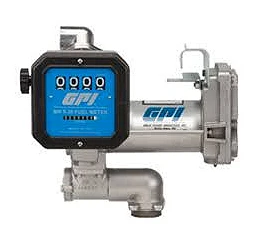
OuterBox helped GPI Meters increase conversions by 142% and reduce cost per conversion by 48% after major optimization. The GPI Meters paid media case study shows the kind of work this page is built around: cleaner tracking, stronger optimization, and performance decisions tied to qualified demand.
During a broader SEO and paid media engagement, Lethal Performance grew paid revenue 479% with a 124% spend increase. See the Lethal Performance SEO and paid media case study.
Google Ads Management
Are You Ready to Start?
If your Google Ads account is spending but the results are hard to trust, start with a direct review of the structure, tracking, search terms, landing pages, and reporting. OuterBox will meet you where the account is now and show what needs to change before more budget goes into the system.
Sound good? Let’s get started. Request a quote and get a clear read on where your Google Ads account can improve.
Services
"*" indicates required fields
Trusted by Leading Brands





Meet Your Google Ads Agency Team
OuterBox has spent more than 20 years helping eCommerce, B2B, and lead-generation companies turn paid search into a measurable growth channel. As a Google Premier Partner agency, OuterBox pairs certified Google Ads strategists with in-house analytics, CRO, copy, design, and development specialists.
That cross-functional team has managed more than 1,000 campaigns and $105M+ in Google Ads spend. Those proof points matter because strong Google Ads management often depends on work beyond the ad account: cleaner feeds, better landing pages, stronger attribution, and faster insight into what is really driving revenue.
Why Choose OuterBox as Your Google Ads Agency?
As a Google advertising agency, we focus on outcomes rather than vanity metrics, aligning campaigns to your ICP, sales cycle, target CPL, ROAS, and revenue model.

- Credentials: Premier Google Partner with certified specialists across Search, Shopping, Display, Video/YouTube, and Performance Max.
- Setup: Account structure, GA4, enhanced conversions, offline imports, brand/non-brand segmentation, and reporting views built together.
- Optimization: Search term hygiene, negatives, budgets, audiences, assets, landing pages, and PMax controls reviewed as part of the system.
- Reporting: Revenue, ROAS, CPL, pipeline, and next-step recommendations.
- Audit: Structured diagnostic for wasted spend, tracking issues, and missed growth opportunities.
- Pricing: Typical management fees are 7-12% of monthly ad spend, with custom options for complex or high-volume accounts.
Typical Agency
- Credentials: General PPC certification with limited channel depth.
- Setup: Generic setup with tracking gaps or unclear naming.
- Optimization: Set-and-forget bidding with periodic surface-level changes.
- Reporting: Clicks, impressions, and CTR with limited business context.
- Audit: Lightweight account review with few priorities.
- Pricing: Opaque fees or incentives that do not match performance goals.
Compare Google Ads management costs, fee structures, and what should be included before you evaluate an agency quote.

Accounts often overspend because the problem is hidden in the details: irrelevant search terms, weak negatives, poor conversion tracking, PMax cannibalization, feed issues, or landing pages that do not match the ad. A structured audit can show whether your budget problem is traffic quality, conversion rate, tracking, or campaign architecture. Request a Free Google Ads Audit >
Don't Overspend on Underperforming Google Ads Management

Most accounts we review are overspending, often by thousands per month. Common issues we fix:
- Broad match attracting unqualified clicks
- Ads running 24/7 with no dayparting or audience filters
- Sending traffic to a homepage instead of relevant Google Ads landing pages
- Missing negative keywords, ad extensions, or A/B tests
- Outdated bidding strategies and poor campaign segmentation
Our 75-point Google Ads audit pinpoints wasted spend, tracking gaps, and missed keywords, then lays out a quick-win plan.
Other Paid Media Services from OuterBox
Additional Services That Complement a Google Ads Agency



Google Ads Agency FAQs

What does a Google Ads agency actually do?
A Google Ads agency handles strategy, account setup, campaign builds, conversion tracking, ongoing optimization, testing, and reporting. OuterBox manages keywords, bids, budgets, audiences, ads, assets, landing pages, and measurement so campaigns are tied to CPL, ROAS, qualified leads, and revenue.
How much should I spend on Google Ads?
Budget depends on your market, goals, close rate, and margin. WordStream’s 2025 benchmark report lists an average CPC of $5.26 and an average CPL of $70.11 across industries, but your model should be built from your own conversion rate, lead value, and revenue targets.
Do you manage both eCommerce and lead generation campaigns?
Yes. OuterBox manages Google Ads for eCommerce, B2B, and lead-generation businesses. That includes Search, Shopping, Performance Max, Display, and Video/YouTube, with campaign structure and reporting adapted to the sales cycle.
How do you measure success?
We measure the outcomes the account is meant to create: qualified leads, revenue, ROAS, cost per lead, cost per acquisition, and pipeline quality. Tracking may include GA4, enhanced conversions, call tracking, and offline conversion imports when CRM or sales data can improve optimization.
What Google Ads campaign types do you manage?
We manage Search, Shopping, Performance Max, Display, and Video/YouTube campaigns. We also support Merchant Center and feed work for eCommerce advertisers, and we coordinate with Microsoft Ads or other paid channels when they fit the media plan.
Can you audit my existing Google Ads account?
Yes. The audit reviews conversion tracking, account structure, search terms, negative keywords, brand/non-brand segmentation, Performance Max controls, Shopping/feed issues, landing page alignment, and reporting clarity. The goal is a prioritized list of what is wasting spend and what should be fixed first.
Is Google Ads management worth it for small businesses?
It can be when the account is focused, the geography is controlled, tracking is clean, and landing pages match the offer. Small and local businesses often need tighter budgets and clearer priorities, which makes waste reduction especially important.
How long does it take to see results from Google Ads?
Paid search can generate data quickly, but stronger decisions depend on traffic volume, conversion volume, tracking quality, and sales cycle length. Early findings often come from search term, tracking, and landing page reviews. Larger performance trends take more data and iteration.
How much does Google Ads management cost?
Typical management fees run 7-12% of monthly ad spend, with custom options for complex or high-volume accounts. A $20,000 monthly ad spend example maps to an approximate $2,000 management fee.
How do I choose the right Google Ads agency?
Choose a Google Ads agency that can explain how it will measure qualified leads and revenue, not just clicks. Ask who will manage the account, how conversion tracking will be validated, how often search terms and budgets will be reviewed, which campaign types the team manages, and what the reporting will show.
Related Articles: Google Ads Management

Paid Media | 8 min read
The student housing market runs on tight timing, with a yearly cycle tied closely to the academic calendar. The main leasing window opens 10 to…

Paid Media | 8 min read
There are many quirks to marketing for student housing: A unique leasing calendar, a transient tenant population, and a target audience that splits between your…

Paid Media | 5 min read
Most companies benefit from AI-enhanced PPC bid management systems that can optimize campaigns in real time. These platforms range from simple, rules-based widgets that automatically…
Get a Free Audit From Our Google Ads Agency
Get a free 75-point Google Ads audit to find wasted spend, tracking gaps, and missed keyword opportunities, plus a quick-win plan you can act on.
"*" indicates required fields
"*" indicates required fields