
Paid Social Media Agency Built for Revenue Growth
OuterBox is a paid social media agency for brands that need social campaigns tied to customer acquisition, qualified leads, and revenue. Your program is built around platform fit, creative testing, landing page quality, and attribution, so spend decisions are based on business outcomes instead of surface-level engagement.
"*" indicates required fields
"*" indicates required fields






Paid Social Media Agency Strategy Built Around Revenue Control
Paid social performs when the campaign structure matches the economics of the business behind it. Your budget, audience strategy, offer, creative, and post-click experience all need to support the same acquisition goal.
OuterBox builds paid social media services around that full path. Meta, TikTok, LinkedIn, Pinterest, and retargeting campaigns are planned against your buyer journey, not a generic channel checklist. Ecommerce brands need catalog and product-feed discipline. B2B companies need account, role, and buying-stage clarity. Lead generation programs need CRM visibility, call tracking, and a landing page that keeps the visitor focused.
That is the difference between buying social traffic and building a paid social program. The goal is not more impressions. It is a repeatable system for reaching the right audience, testing the right message, and proving which campaigns create real pipeline or revenue.
What's Included in Our Paid Social Services
Your paid social program needs more than campaign setup. OuterBox connects the core pieces that determine whether social spend turns into revenue.

Customer acquisition costs that hold as you scale spend
Your paid social program should be accountable to the same unit economics your finance team watches. Campaigns that scale without a CAC ceiling eventually erode the margins they were supposed to build, and most brands discover this after the damage compounds across a full quarter. Your acquisition targets and LTV payback windows should govern every spending decision, the way they have inside our program since 2004.
- Your CAC targets set the budget ceiling for every campaign, benchmarked against vertical norms where DTC paid social acquisition commonly runs $45 to $75 per customer, so spend scales only when unit economics hold
- Your product catalog connected directly to ad platforms through dynamic product feeds that keep pricing, availability, and imagery current across ecommerce storefronts
- Your highest-margin SKUs prioritized in campaign structure so return on ad spend reflects real profit rather than gross revenue
- Your retargeting pools segmented by purchase intent so cart abandoners, product viewers, and repeat buyers each get separate messaging and budgets
- Your LTV payback window visible per acquisition channel so you know which campaigns pay back quickly and which take longer to compound
Revenue from paid social compounds when every new dollar of spend is governed by the unit economics that justify it.
Audiences built from your data instead of platform defaults
Your best-performing audiences come from your own customer data. Purchase history, site behavior, and CRM segments carry signal that platform-default interest categories miss entirely, and the gap between first-party audiences and generic lookalikes widens as your data set grows.
- Your CRM data transformed into custom audiences and lookalike seeds so campaigns reach people who resemble your actual buyers
- Your site visitors segmented by engagement depth so someone who browsed multiple product pages gets different creative than someone who bounced from the homepage
- Your retargeting budgets isolated from prospecting budgets so neither cannibalizes the other’s performance
- Your audience exclusions actively maintained so existing customers, recent converters, and low-intent visitors stay filtered out of acquisition campaigns
- Your highest-value customer segments identified and scaled into lookalikes across Meta, TikTok, and LinkedIn simultaneously through your analytics infrastructure
Every dollar of prospecting spend reaches people who look like your best existing customers rather than a platform’s best guess at who might be interested.
Facebook and Instagram campaigns structured for signal quality over reach
Your Facebook and Instagram campaigns perform best when Meta’s algorithm receives high-quality conversion signals. Campaigns that rely solely on browser-side pixel tracking lose an estimated 20 to 30 percent of conversion data to privacy restrictions, ad blockers, and cookie deprecation, and the algorithm optimizes on incomplete information as a result.
- Your conversion data flowing through Conversions API alongside pixel events so Meta’s algorithm optimizes on complete information, not browser-filtered fragments
- Your Advantage+ Shopping campaigns structured with product sets that match your actual margin tiers instead of a flat catalog dump
- Your creative testing running continuously across static, carousel, Reels, and Stories formats with performance data tied to each variation
- Your campaign structure separating prospecting, retargeting, and retention so budget allocation reflects each stage’s actual return
- Your reporting showing true cost per acquisition after deduplication, with inflated platform numbers that double-count cross-device conversions stripped out, and your paid media strategy unified across search and social
Ad spend on Meta compounds when the algorithm receives the complete, deduplicated signal it needs to find your next buyer at the lowest cost.
Platform-native creative that performs in a scroll-first environment
Your TikTok campaigns compete against organic content, not other ads. Creative that looks like an advertisement gets scrolled past; creative that looks like it belongs in the feed earns the watch time that drives conversions. That difference determines whether your spend generates customers or impressions.
- Your ad creative produced in platform-native formats (UGC-style, creator partnerships, product demonstrations) that match how TikTok users actually consume content
- Your Spark Ads amplifying organic posts that already proved engagement, so paid spend backs content with a track record instead of cold creative
- Your TikTok Shop integration connecting product feeds directly to in-app purchases, cutting the steps between discovery and checkout
- Your audience targeting layered with interest signals, hashtag engagement, and creator-follower overlaps that TikTok’s algorithm weighs differently than Meta’s
- Your creative refresh cadence matching TikTok’s recommended seven-day cycle, with new variants replacing stale ads before performance drops become visible in your design pipeline
Reach on TikTok converts when creative matches the platform’s consumption patterns and the product path from discovery to checkout is as short as the content itself.
B2B campaigns that reach decision-makers by title, company, and buying stage
Your LinkedIn campaigns reach the specific people who sign contracts, not a broad professional audience hoping the right person scrolls past. The platform’s cost per click runs higher than Meta or TikTok, but the targeting precision means every impression serves a qualified buyer.
- Your target accounts identified by firmographic criteria (company size, revenue band, industry vertical) and matched to LinkedIn’s first-party data
- Your campaign structure separating awareness, consideration, and lead capture so each stage gets the format that converts it: Sponsored Content for awareness, InMail for direct outreach, Lead Gen Forms for capture
- Your ABM lists uploaded directly so campaigns serve only the named accounts your sales team is actively pursuing
- Your cost-per-lead benchmarked against pipeline value rather than click volume, because LinkedIn CPLs that commonly range from $100 to $125 in industries like software and manufacturing still read as efficient when they generate qualified enterprise pipeline
- Your retargeting pools built from company-page visitors, content engagers, and Lead Gen Form openers, feeding progressive messaging that rolls up into your broader B2B strategy
Pipeline value from LinkedIn justifies the platform’s higher cost-per-click when every impression reaches a decision-maker at a company your sales team already wants to close.
Ad creative tested against a hypothesis instead of rotated on a calendar
Your campaign performance erodes when the same ads run too long and CPAs rise gradually enough that the increase gets attributed to market conditions instead of stale creative. Your creative comes from the same in-house team running your campaigns, so the feedback loop between performance data and creative output stays tight.
- Your ad variants produced across static, carousel, short-form video, and UGC formats, each built with a documented testing hypothesis before it ships
- Your creative performance measured by contribution to conversion, not engagement vanity metrics, so a high-CTR ad that fails to convert gets replaced immediately
- Your brand guidelines maintained across every variant so performance testing never erodes brand consistency
- Your winning creative elements isolated (headline vs imagery vs CTA vs format) so the next round of tests builds on what worked rather than starting from scratch
- Your creative library growing with every test cycle, compounding a bank of proven elements that informs your conversion optimization work and every future campaign
Performance from creative compounds when every new variant is built on isolated learnings from the last round instead of starting over.
Attribution that connects ad clicks to real revenue instead of platform estimates
Your paid social reporting is only as accurate as the data feeding it. Industry estimates put browser-only tracking signal loss at 20 to 55 percent of conversions due to ad blockers, privacy restrictions, and cross-device fragmentation. Platform-reported numbers double-count journeys and overweight last-click, which means the figures in your dashboard may not match the revenue in your CRM.
- Your conversion tracking running server-side through Conversions API (Meta), Events API (TikTok), and Insight Tag (LinkedIn) so privacy restrictions and ad blockers do not erase your data
- Your CRM pipeline events (qualified leads, closed deals, revenue) imported back into ad platforms so algorithms optimize for the outcomes that matter to your business instead of proxy metrics
- Your cross-device conversions deduplicated so a single buyer who clicked on mobile and converted on desktop counts once instead of twice
- Your UTM architecture standardized across every platform and campaign so reporting attributes revenue to the correct source without manual reconciliation
- Your attribution windows set per platform and per campaign objective, with the full tracking methodology documented so your team can audit the numbers independently
Decisions about where to spend more and where to cut back are only as good as the attribution data behind them, and server-side tracking is where that accuracy starts.
Reporting built around the metrics your CFO actually asks about
Your leadership team asks about cost per acquisition, return on ad spend, and how paid social contributed to revenue this quarter. They do not ask about impressions. Reporting that answers the business questions first saves everyone a translation step and keeps budget conversations grounded in the numbers that matter.
- Your dashboard showing spend, CAC, ROAS, and revenue attribution per platform and per campaign in one view instead of scattered across separate platform UIs
- Your creative performance visible at the variant level so you see which specific ad drove which conversions, down to individual creative variations
- Your audience segments benchmarked against each other (prospecting vs retargeting vs retention) so budget reallocation decisions are backed by data
- Your month-over-month trends contextualized against spend changes, creative refreshes, and seasonal patterns so performance shifts get explained alongside the data
- Your quarterly reviews grounded in revenue impact over activity volume, with every metric traceable through your analytics infrastructure to the source
Spend justification becomes straightforward when every dollar of paid social maps to a revenue number your finance team can verify independently.
Landing pages that lower your cost per acquisition without adding ad spend
Your campaign’s efficiency depends as much on the landing page as on the ad itself. A perfectly targeted ad that sends traffic to a generic product page or a slow-loading homepage wastes click cost on an incomplete conversion path. Google’s own data shows that going from a one-second to a ten-second load time increases bounce probability by 123 percent, and most paid social traffic arrives on a phone.
- Your landing pages built to match the specific offer, audience, and creative of each campaign instead of a generic page receiving traffic from multiple unrelated ad sets
- Your page load speed optimized for mobile-first environments where most paid social traffic arrives, because every additional second of load time costs measurable conversion rate points
- Your A/B tests running on headlines, CTAs, form length, and page layout with statistical rigor behind every decision
- Your winning variants promoted to permanent pages and losers replaced so every test cycle tightens the conversion path
- Your post-click experience consistent with the ad promise so visitors who clicked on a specific offer see that offer immediately, with CRO consulting shaping the testing roadmap from the start
Conversions from paid social increase in two ways: better targeting lowers click cost, and better landing pages turn more of those clicks into customers.
Platform Fit
Paid Social Media Services Across Meta, TikTok, LinkedIn, and Pinterest
Your platform mix should reflect where the buyer is most likely to respond, how the offer is evaluated, and how quickly the sales cycle moves. OuterBox does not treat these channels as interchangeable inventory.

Meta
Broad reach for ecommerce, lead generation, and retargeting, with strong audience controls and product-catalog options.

TikTok
Rewards platform-native creative and fast creative learning when discovery and product interest drive the buyer.

Reaches B2B buyers by role, company, seniority, industry, and account list, so spend concentrates on the accounts that matter.

Supports visual discovery, category planning, and product-led consideration when the audience and offer fit.
Creative Testing That Keeps Paid Social From Going Stale
Paid social creative wears out when the same message keeps reaching the same audience. Your account needs a testing system that learns which offer, hook, format, and landing page produce profitable action.
OuterBox connects campaign management with creative production so the feedback loop stays short. Static ads, short-form video, carousels, social-first product demonstrations, and offer variations are evaluated against a clear hypothesis. A high-click ad that does not convert is not treated as a winner. A lower-volume creative that produces better acquisition quality gets protected and expanded.
This is where in-house creative matters. Your campaign team can see the performance data, identify what the audience is responding to, and turn those findings into the next round of creative. The result is a practical testing rhythm that keeps spend pointed at messages with evidence behind them.
Tracking and Attribution That Tie Social Ads to Revenue
Paid social reporting breaks down when the only numbers available are platform-reported clicks, views, and modeled conversions. Your leadership team needs to know which campaigns influenced qualified leads, ecommerce revenue, booked calls, and pipeline, not just which ads generated engagement.

OuterBox builds measurement around that business question, connecting the signals that show where revenue actually comes from:
-
Platform pixels and server-side event tracking to capture conversions the browser alone misses.
-
CRM imports and qualified-lead mapping so sales outcomes tie back to campaigns.
-
UTM governance and campaign tagging for clean, comparable reporting.
-
Call tracking for phone-driven conversions.
-
Ecommerce revenue and returning-customer reporting for product and acquisition-cost visibility.
-
Analytics dashboards that connect spend to outcomes you can act on.
How Paid Social Works With Search, CRO, and Analytics
Paid social is strongest when it is not isolated from the rest of the acquisition program. Social campaigns can create awareness, retarget visitors, test offers quickly, and bring new audiences into the funnel. Search captures existing demand, conversion rate optimization improves the page experience after the click, and analytics gives the team enough visibility to shift budget with confidence.
OuterBox connects paid social with the adjacent work that affects performance. Your Google Ads agency can share keyword, offer, and conversion data with social campaigns. Your conversion rate optimization work can turn paid traffic into more leads or orders without increasing media spend. Your analytics infrastructure can show whether social is assisting revenue even when the final conversion happens through another channel.
Buyers do not move through one channel at a time. A prospect may discover the brand on social, return through search, compare the offer on a landing page, and convert after a retargeting touch. Your paid social advertising agency should be able to see and improve that whole path.
Paid Social That Breaks Your Search Ceiling
See why bottom-of-funnel search alone caps growth, and how paid social lets you go to your audience instead of waiting for them to search. Our paid social team explains why a native placement like an Instagram ad owns the whole screen, and how that drives conversions while building trust across the rest of your marketing. You will also hear how we pair paid social with SEO, CRO, email and SMS, and website work so campaigns compound instead of competing.
How OuterBox's paid social team reaches buyers beyond search and builds brand trust across the funnel
Real Paid Media Results
Paid Media Results Behind the OuterBox Approach
Campaign structure, sharper targeting, and real measurement are what turn paid budgets into business results. Here is what that approach has delivered for OuterBox clients.

425% More Paid Conversions
GPI Meters needed better returns from paid search for an industrial ecommerce catalog. OuterBox restructured campaigns by product type and launched Shopping around top products, producing a 425% increase in paid conversions and a 48% lower cost per conversion.
32% of MQLs From PPC
A food co-packing company needed qualified B2B buyers, not low-fit inquiries. OuterBox used LOOP Analytics and negative-keyword refinement to focus spend on real demand, and PPC drove 32% of total MQLs while paid form submissions rose 50% year over year.

479% Paid Revenue Growth
Lethal Performance needed ecommerce growth across search and paid media. OuterBox paired SEO and paid search, growing online sales 923% over three years while paid revenue increased 479% on only 124% more spend.
Paid Social Media Services
Looking for a Paid Social Advertising Agency?
We help websites rank page #1 and grow online sales & leads. We’ll show you exactly what we’ll do, how much it’ll cost, and how we’re going to crush your competitors – along with a free comprehensive SEO audit checking your site against our proven SEO strategies.
Services
"*" indicates required fields
Certified Partnerships & Platforms








A Performance Marketing Agency Behind Your Paid Social
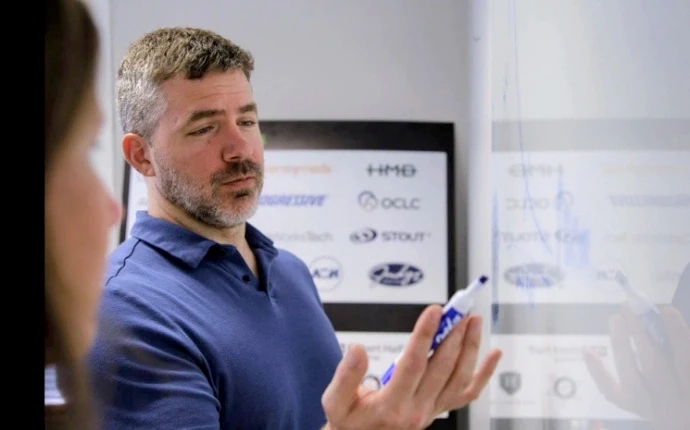
OuterBox is a performance marketing agency and paid social marketing agency that has helped brands grow through search, paid media, and conversion-focused web work since 2004. Paid social sits inside that larger system, run by in-house strategists, creative, and analytics teams who are measured on the business results their campaigns produce.
20+ Years
Digital Marketing Agency
1000+
Successful Client Partnerships
2M+
Page #1 Google Rankings
300+
USA-Based, In-House Experts
Why Choose OuterBox as Your Paid Social Media Agency
Your paid social agency should bring more than platform setup. The account needs creative, targeting, analytics, conversion support, and business-level reporting working together.
OuterBox
- Acquisition focus: campaigns tied to CAC, lead quality, revenue, and pipeline visibility.
- Platform strategy: Meta, TikTok, LinkedIn, Pinterest, and retargeting matched to buyer stage and offer fit.
- Creative testing: in-house creative and media teams use performance data to guide the next test.
- Attribution: analytics, CRM events, call tracking, and platform data connected where the engagement allows it.
- Conversion support: landing pages and CRO recommendations are part of the acquisition conversation.
- Cross-channel coordination: paid social works alongside Google Ads, CRO, SEO, programmatic, and analytics.
Common Agency Gap
- Acquisition focus: reporting stops at clicks, impressions, and platform-reported conversions.
- Platform strategy: one platform playbook is reused across different audiences.
- Creative testing: creative refreshes happen late or without a clear hypothesis.
- Attribution: platform dashboards are treated as the only source of truth.
- Conversion support: ads are optimized while the post-click path stays unchanged.
- Cross-channel coordination: channels are managed as separate workstreams with separate goals.

Did you know UX services enhance user satisfaction by improving usability, accessibility, and interaction, leading to increased customer loyalty? Learn more >
Unlock Your Business’s Potential
Send us your website for a free quote and strategy session from OuterBox, tailored to drive success.
Need an expert now? Call 1-866-647-9218
"*" indicates required fields
"*" indicates required fields
Other Paid Media Services from OuterBox
Strengthen Your Paid Social Program



Paid Social Media Agency FAQs
What does a paid social advertising agency do?
A paid social advertising agency plans, builds, manages, and measures paid campaigns across platforms such as Meta, TikTok, LinkedIn, and Pinterest. The work usually includes audience strategy, campaign structure, creative testing, conversion tracking, reporting, and landing page recommendations.
Which paid social platforms does OuterBox manage?
OuterBox manages paid social campaigns across Meta, TikTok, LinkedIn, and Pinterest when those platforms fit the buyer, offer, and budget. The recommended mix depends on your audience, product type, sales cycle, conversion path, and ability to measure results.
Is paid social better for ecommerce or lead generation?
Paid social can support both, but the campaign structure changes. Ecommerce programs often need product feeds, catalog campaigns, dynamic retargeting, and revenue reporting. Lead generation programs need audience quality, form strategy, call tracking, CRM visibility, and a clear path to sales.
How should paid social connect with Google Ads?
Paid social and Google Ads should share audience, offer, landing page, and conversion data where possible. Social can create demand and retarget engaged visitors, while search captures active demand. The strongest programs evaluate both channels against revenue and lead quality instead of managing them in isolation.
Do you create paid social ad creative?
OuterBox can support static ads, carousel concepts, short-form video direction, social-first product messaging, and landing page alignment as part of a broader paid media program. Creative recommendations are tied to the campaign hypothesis and performance data, not a generic asset calendar.
How do you measure paid social performance?
Paid social performance should be measured with platform data, analytics data, CRM or ecommerce outcomes, and post-click performance together. The right view depends on the business model, but the goal is to understand cost per qualified action, revenue contribution, audience quality, and creative performance.
How long does paid social take to improve?
Improvement depends on account history, tracking quality, creative volume, audience size, offer strength, and landing page performance. Some issues can be identified quickly, but durable gains usually come from structured testing and enough conversion data to make confident decisions.
Can paid social work with CRO and landing page testing?
Yes. Paid social should work with CRO and landing page testing because the page after the click affects acquisition cost. Better message match, clearer offers, stronger forms, and faster pages can improve conversion rates without increasing media spend.
Related Articles: Paid Social Media Services

Paid Media | 8 min read
The student housing market runs on tight timing, with a yearly cycle tied closely to the academic calendar. The main leasing window opens 10 to…

Paid Media | 8 min read
There are many quirks to marketing for student housing: A unique leasing calendar, a transient tenant population, and a target audience that splits between your…

Paid Media | 5 min read
Most companies benefit from AI-enhanced PPC bid management systems that can optimize campaigns in real time. These platforms range from simple, rules-based widgets that automatically…