
Paid Media Agency for Revenue-Focused, Full-Funnel Growth
Your ad budget should return qualified leads, orders, and RFQs you can trace back to a campaign. As a paid media agency, OuterBox plans, launches, and manages paid search, paid social, programmatic, video, and retargeting around the revenue your business actually books.
"*" indicates required fields
"*" indicates required fields






Revenue-First Paid Media Services
Buyers in B2B, eCommerce, and industrial markets rarely convert on the first click. A paid media agency plans, launches, and manages advertising across the channels that fit your audience and revenue model. Your mix has to fit that decision process instead of a single campaign.
Your search, social, programmatic, video, and retargeting spend each need a defined job, or they compete for the same lead. OuterBox has been a digital marketing agency for 20+ years, working B2B, eCommerce, and industrial markets, and that shows up as campaign structure before budget. GPI Meters’ Google Ads account was rebuilt by product type and paired with a Google Shopping campaign on its top 50 products.
Full-Funnel Campaign Management
Paid Media Services Across Search, Social, and Programmatic
Every impression, click, and conversion should contribute to growth, so campaigns are built around audience behavior and business goals.

Paid search from a paid media agency that protects intent before scale
Not all of the demand you can buy is worth buying, and your search budget decides that before anything
else does. PPC management starts by separating brand
protection, non-brand growth, competitor terms, Shopping, Performance Max, and Microsoft Ads before budget
gets spread across the account.- Your match types and negative keyword lists keep discovery from overrunning proven buying intent.
- Search, Shopping, and Performance Max campaigns each get a distinct job instead of sharing one blended goal.
- Conversion events separate calls, forms, transactions, RFQs, and qualified pipeline so bidding learns from useful outcomes.
- Budget pacing gives high-value segments room to grow while low-fit queries stay contained.
- Campaign notes show why spend moved and which outcome it supported.
Search spend becomes easier to defend when campaign roles, conversion signals, and budget rules point to
the same business outcome.Social ad programs shaped around audience quality and offer fit
The buyer should shape the audience plan before the platform menu does. LinkedIn job function, industry,
company size, and account lists can support B2B demand. Meta prospecting, lookalikes,
and retargeting can support broader reach when the offer and creative match the buying stage.Targeting, creative, exclusions, and landing-page expectations have to agree with each other for paid
social advertising to hold up. First-party lists need clean consent and useful segmentation.
Lookalikes need suppression rules so customers, employees, low-fit visitors, and closed opportunities do
not keep receiving acquisition spend.Results improve when each social campaign has a specific role: prospecting, re-engagement, offer testing,
content promotion, or demand capture support. Audience quality improves when
targeting, creative, and exclusions are managed together.Remarketing that respects buying stage, frequency, and next message
A first visit rarely closes the sale, and retargeting only helps when every audience you build has a
reason to exist. A bounced blog reader, pricing-page visitor, cart abandoner, demo requester, and
past customer should not receive the same message or bid pressure.- Audience windows reflect buying stage, sales-cycle length, and how quickly intent decays.
- Exclusions keep converters, low-fit visitors, and irrelevant traffic from draining follow-up budget.
- Frequency controls protect the brand from chasing people who already made a decision.
- Creative sequencing changes the message instead of repeating the same ad until performance fades.
- Your landing pages match the next step, whether that is a quote, demo, product page, or proof asset.
A returning visitor should feel followed up with rather than followed around, which is what
omnichannel remarketing strategies are for. You get
that when every audience has a purpose, a next message, and a stop rule.Programmatic and display media planned around placement quality
Impressions are the easiest thing to buy and the hardest line to defend in a paid media advertising
report. What decides whether display pays back is where the ad can appear, who should see it, and what
creative format fits the moment. The channel also has to be judged alongside search, social, and
retargeting.- Contextual targeting and audience rules keep placements connected to real buyer situations.
- Inventory checks reduce waste from low-quality sites, irrelevant categories, and unsafe placements.
- Creative formats match the job, from awareness and product education to consideration support.
- Suppression lists keep existing customers or recent converters out of prospecting pools when needed.
- Your assisted-conversion view explains whether display is creating lift or only collecting credit.
You should be able to see why display earned its budget before the next cycle funds it again. Focused
programmatic advertising supports measurable
movement instead of impression volume alone.Video campaigns that give awareness a measurable job
Awareness spend earns its place when video has a defined role inside the funnel. YouTube in-stream, Shorts
inventory, remarketing lists, custom audiences, and placement exclusions all need the same budget
discipline as search. Otherwise video creates activity while the lower-funnel channels carry the
accountability.The viewer should come away understanding something specific after the ad. Some campaigns
introduce the brand to qualified audiences. Others explain a product, support a launch, warm up
retargeting pools, or reinforce a service message before the next search happens. Each job needs a
different creative length, audience rule, and success signal.Video also has to connect back to the Google campaign ecosystem. A Google Ads
agency keeps YouTube testing, search
demand, remarketing, and conversion tracking from becoming separate reports. Video spend should build
demand without stealing clarity from the channels already closing it.Reporting loops that connect paid media management to revenue decisions
Clean feedback is what makes paid media management worth paying for. Platform dashboards can show clicks,
spend, CPA, and ROAS. The business still needs to know which campaigns created qualified leads, orders,
RFQs, pipeline, or sales conversations worth pursuing.- Your GA4 events and call-tracking setup keep form fills, calls, purchases, and micro-conversions separated.
- CRM feedback and offline conversion imports help bidding systems learn from qualified outcomes.
- Dashboards connect spend, CPL, CPA, ROAS, sales-qualified lead rate, revenue, and channel role without making one metric carry the whole story.
- Reporting notes explain what changed, why it changed, and what decision comes next.
- Test plans tie budget shifts to audience, keyword, creative, and landing-page evidence.
LOOP Analytics gives you a clearer decision layer over that
reporting. Reporting matters when it changes the next bid, audience, budget, landing page, or channel
decision.
How Our Paid Media Management Process Works
Before the first dollar moves, you should know what gets checked, what you supply, and who decides. Four stages carry an account from audit to ongoing optimization.
Audit Tracking, Accounts, and Conversion Signals
You start by handing over platform access and whatever conversion history already exists. The review covers account structure, search terms, audiences, budget concentration, landing pages, and reporting. It also confirms that forms, calls, transactions, and quote requests are tracked as separate events rather than one blended conversion.
What you get back is a baseline and a prioritized list of what is measurable today.
Set Channel Roles, Budget, and Paid Media Strategy
Your business inputs set the plan: margin or lead value, sales cycle, geography, offer, and what makes a conversion worth paying for. Channel roles follow from that. Brand protection, non-brand discovery, Shopping, paid social, and remarketing each get their own budget and success measure.
Budget then moves between them on evidence rather than a platform recommendation.
Launch Creative, Campaigns, and Landing-Page Tests
Creative and landing pages go live together, so the promise that earned the click carries into the next action. Ad copy is approved before launch. Tests are scoped tightly enough that you can tell which change moved the result, whether that is the offer, the message, the audience, or the page.
During the platform learning window, bid and keyword changes are held so the results mean something.
Optimize Against Revenue, Pipeline, ROAS, and CPA
Reporting should change a decision. Bids, budgets, queries, audiences, placements, feeds, creative, and landing-page evidence get reviewed on a cadence agreed around your account. And each change is recorded with the reason behind it.
Revenue, pipeline, return on ad spend, and cost per acquisition are read together, because one of those numbers alone can hide what the others are doing.
How Our Paid Media Strategy Connects Channels to Revenue
Your customer's path to a purchase or a quote rarely runs through one channel. Search captures demand that already exists, paid social and video create it, and retargeting shapes what a returning visitor sees next. So treating those as one program lets budget move toward whichever stage is holding back revenue, instead of each channel defending its own report.
Amazon, Shopping, and lead-gen search all sit in that same plan when they fit the business model. What connects them is a shared definition of a useful conversion.
See how paid media supports faster feedback and measurable business growth.
Client Results
Paid Media Results From Our Clients

GPI Meters
GPI Meters sells liquid flow meters to industrial and commercial buyers. Its Google Ads account was spending without producing profitable conversions. We rebuilt the campaigns by product type, rewrote ad copy, cut redundant keywords, and adjusted bids.
Then came a Google Shopping campaign across the top 50 products. Paid conversions increased 425% and cost per conversion fell 48%. Read the full GPI Meters paid media case study.

Lethal Performance
Lethal Performance sells aftermarket performance parts online, and its Google Ads spend was barely breaking even when the new site launched. We optimized paid search alongside an ongoing SEO program on the same account, so demand capture and organic visibility were worked together.
Paid revenue rose 479% while paid spend rose 124%. The full picture is in the Lethal Performance SEO and paid media case study.
From Start-Ups To Fortune 500 Companies, Our Clients Are Succeeding Online











Why Choose OuterBox as Your Paid Media Agency
You're hiring a team that will operate inside your ad accounts, so access, ownership, and communication matter as much as campaign skill. OuterBox is a full-service digital marketing agency with 20+ years in B2B, eCommerce, and industrial markets. Paid media today is run by in-house strategists, PPC specialists, and analysts who work as an extension of your team.
Every ad dollar you spend is tracked, attributed, and reported.
You keep full access to and ownership of the accounts and the data (during the engagement and after it). Paid media work sits next to SEO, CRO, analytics, and development. So a landing-page, measurement, or feed problem gets fixed inside the same program rather than routed elsewhere.
20+
Years, Digital Marketing Agency
1,000+
Successful Client Partnerships
2M+
Page-One Google Rankings
300+
USA-Based, In-House Experts
Why Partner with OuterBox
You can get similar management quotes from two agencies and end up with very different engagements. These are the differences that show up by month three.

- Primary Focus: Revenue, pipeline, ROAS/CPA aligned to business goals
- Funnel Alignment: Full-funnel strategy: search, social, display, video, retargeting
- Audience Targeting: Precision keyword research and buyer-based segmentation
- Optimization Cadence: Continuous testing of bids, creative, audiences, and landing pages
- Attribution and Reporting: Transparent dashboards tying spend to sales, RFQs, and revenue
- Experience: 20+ years of digital marketing across B2B, eCommerce, and industrial
- Account Ownership: You retain full access and ownership of accounts and data
- Collaboration: Works as an extension of your sales and marketing team
Typical Agency
- Primary Focus: Clicks, impressions, and surface-level metrics
- Funnel Alignment: Isolated channel execution without lifecycle planning
- Audience Targeting: Broad targeting with limited segmentation
- Optimization Cadence: Periodic tweaks focused on spend pacing
- Attribution and Reporting: Platform screenshots and CTR reports
- Experience: Generalist experience across unrelated categories
- Account Ownership: Limited access and unclear data ownership
- Collaboration: Transactional, campaign-only engagement
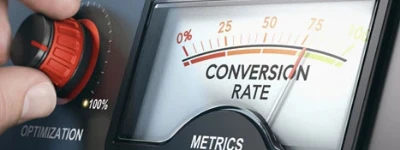
Paid results depend on what happens after the click. Ad tests, landing-page tests, and on-site CRO work should run against the same conversion data as paid search management. With both working from the same conversion data, a higher conversion rate usually shows up as lower acquisition cost at the same spend.
Other Paid Media Services from OuterBox
Ways to Support Your Paid Media Program




Paid Media Services
Request a Free Paid Media Audit
Wasted spend and missed opportunities are hard to see from inside an account you run every day. Send the site and whichever ad accounts you already have, along with your tracking setup and landing pages. You get back the findings, the quickest path to higher ROI, and the order we’d work them in.
Response within 24 hours, Monday–Friday. Prefer to talk now? Call 1-866-647-9218 (9–5 EST).
Services
"*" indicates required fields
Build a Paid Media Strategy Around Your Revenue Goals
Send us your website for a free quote and strategy session built around your revenue goals. We'll cover the channels worth funding first and what your current spend is buying.
Need an expert now? Call 1-866-647-9218.
"*" indicates required fields
"*" indicates required fields
Paid Media FAQs

What makes OuterBox's paid media services different?
Leads, sales, and revenue are what the campaigns are optimized against, rather than clicks. Campaign structure mirrors your sales process and buyer behavior. Reporting ties spend to outcomes you can check in your own systems, and you keep full ownership of the accounts and data.
Do you manage both B2B and B2C campaigns?
Yes. We’ve run paid media for global B2B brands, eCommerce retailers, and industrial manufacturers. Each plan is built around your market, product complexity, and sales cycle, because a long industrial quote path and a same-day ecommerce purchase need different campaign structures.
Which platforms do you support?
Google Ads, Microsoft Advertising, LinkedIn, Meta, YouTube, and programmatic platforms. Which ones get budget depends on where your audience is and what the campaign has to do. But a new account rarely starts on all of them at once.
Can you take over our existing ad accounts?
Absolutely. A full takeover or advisory-only engagement both work. Either way it starts with a diagnostic audit, then quick wins while a longer roadmap is built, and the accounts stay in your name throughout.
How do you measure success?
Qualified leads, RFQs, online sales, cost per conversion, and overall ROI or ROAS are the measures that matter. Dashboards and reports map spend to those outcomes so you can see impact against your own numbers. Success is defined against your targets and margins at the start of the engagement, then read the same way every reporting cycle.
What budgets do you work with?
Budgets range from a focused single-channel campaign to a multi-channel program. During the audit you get a recommended investment level tied to your goals, margins, and available demand. That recommendation also shows what the budget can buy at current click prices.
When will we see results?
Reliable tracking comes first, so every campaign decision after that is made on real conversion data. Once a performance baseline is established and enough channel and sales-cycle data has accumulated, optimization moves from setup work to confident, evidence-led changes. So timing follows your conversion volume and buying cycle, and compounding gains build from there.
Do you build landing pages or handle CRO?
Yes. Landing pages can be built or advised on, and CRO testing runs against the same conversion data the campaigns use. Ad message and page experience get aligned so the click that costs money has somewhere useful to land.
How do you handle long or complex sales cycles?
Multi-touch retargeting, audience sequencing, and content offers get mapped to each stage of the funnel. Attribution tracks pipeline progression rather than stopping at the form fill, so a lead that takes months to close still shows which campaign started it.
Do you offer a free audit?
Yes. The free Paid Media Audit reviews your accounts for wasted spend and missed opportunities, and returns a strategy specific to your products and market. Request it using the audit form, or call 1-866-647-9218 if you need help now.
Related Articles: Paid Media Services

Paid Media | 8 min read
The student housing market runs on tight timing, with a yearly cycle tied closely to the academic calendar. The main leasing window opens 10 to…

Paid Media | 8 min read
There are many quirks to marketing for student housing: A unique leasing calendar, a transient tenant population, and a target audience that splits between your…

Paid Media | 5 min read
Most companies benefit from AI-enhanced PPC bid management systems that can optimize campaigns in real time. These platforms range from simple, rules-based widgets that automatically…