
SEO Audit Services Built To Find The Work That Matters
Most SEO problems do not announce themselves as one clean issue. Rankings slide because crawl paths got messy, templates changed, analytics broke, content aged, competitors filled gaps, or authority stopped keeping pace.
OuterBox SEO audit services find the real blockers, size the opportunity, and turn the findings into a prioritized roadmap your team can act on.




SEO Audit Services For Sites Where A Checklist Is Not Enough
A checklist can tell you a title tag is too long. It usually cannot tell you why a product category stopped getting indexed, why a migration left old URLs competing with new ones, or why your best content keeps losing to weaker competitors.
That is where a real SEO services audit earns its keep. We look at technical SEO, on-page signals, content, keyword targeting, backlinks, analytics, competitors, site architecture, platform constraints, and conversion paths as one connected system.
This matters most for eCommerce and enterprise sites. Shopify filters, Magento URL rewrites, BigCommerce category rules, WooCommerce plugins, WordPress themes, NopCommerce templates, ERP feeds, PIM data, redirects, and third-party scripts can all create search problems that a surface scan misses.
OuterBox audit engagements typically include a kickoff, research and analysis, 1-on-1 strategist meetings, and a live findings review. Many audits take 3-5 weeks, depending on site size, data access, platform complexity, and how much implementation planning is needed.
The deliverable should not be a PDF that gets archived. It should help your team decide what to fix first, who should own it, and what each fix is expected to change.
What OuterBox SEO Audit Services Include
Your audit package is scoped around your site size, platform, business model, and growth goals. The tabs below preserve the current audit component module and show the workstreams that are included in most OuterBox SEO auditing services.

Audit components
Your site earns the rankings the content deserves only when Googlebot can reach it cleanly. Legacy themes, bloated plugins, parameter sprawl from faceted navigation, redirect chains, and slow image delivery quietly burn crawl budget your priority pages need.
- Crawl budget reaches priority pages instead of index bloat, parameter duplicates, redirect chains, and orphan URLs.
- Robots.txt, meta robots, canonicals, hreflang, and XML sitemaps point search engines toward the right page set.
- Core Web Vitals and mobile rendering are checked on the templates that matter most.
- Product, category, service, and article content stays visible to users and crawlers rather than disappearing behind client-side rendering.
- Structured data eligibility is checked against visible content, with no promise that Google will show a rich result.
The goal is a site that loads, crawls, and indexes cleanly enough for the rest of the SEO program to work.
On-page SEO is where search intent, page structure, and buyer behavior meet. A page can have the right keyword target and still underperform if the title, H1, headers, internal links, schema, and body copy are sending mixed signals.
- Titles and meta descriptions are reviewed for search intent, click value, and truncation risk.
- H1, H2, and H3 structure is checked for clarity, hierarchy, and keyword relevance.
- Internal links and anchor text are reviewed for topical support and useful paths.
- Image alt text and file names are checked where image search, accessibility, or context matters.
- Schema markup is reviewed against what the page actually says.
For pages that need rewriting, SEO copywriting can turn the audit findings into clearer, more useful landing page copy.
Content libraries age. Category pages get thin, buying guides overlap, blog posts decay, and new competitors answer questions your site never covered.
The content audit names which URLs should be refreshed, consolidated, redirected, expanded, or left alone. It looks for thin pages, cannibalization pairs, missing topical depth, outdated examples, weak internal links, and content that earns traffic but no longer supports revenue.
Content marketing is often the next step after this part of the audit. The point is not to create more pages for the sake of volume. The point is to give the pages that can win enough depth, support, and internal equity to do their job.
Keyword maps go stale when product lines change, services expand, competitors move, or a previous agency targeted head terms without enough buyer intent.
OuterBox compares current rankings, search demand, page intent, business value, and competition. Commercial and transactional searches should route to product, category, service, or lead-generation pages. Informational searches should support guides, FAQs, and articles that move authority back to the right conversion pages.
Every priority keyword should have one best-fit URL. If multiple pages are competing, the audit should name the cannibalization issue and recommend whether to consolidate, retarget, rewrite, or redirect.
SEO decisions get expensive when the reporting layer is wrong. GA4 events, ecommerce parameters, consent handling, form tracking, call tracking, and CRM handoffs need to tell the same story as revenue and lead quality.
- Ecommerce sites may need validation for events such as
purchase,add_to_cart, andview_item. - Lead generation sites may need form, phone, chat, appointment, and qualified-lead tracking checked.
- Duplicate events, missing conversions, broken cross-domain tracking, and inconsistent channel attribution should be named.
- Dashboards should use a source of truth leadership can trust.
When measurement is clean, the SEO roadmap can be judged by outcomes rather than report noise.
- Ecommerce sites may need validation for events such as
Authority compounds when links come from sources that make sense for your market. It also weakens when old agency work, spammy placements, lost links, or over-optimized anchors drag the profile in the wrong direction.
The backlink layer reviews referring domains, anchor text, topical relevance, link quality, competitor link gaps, lost links, and risk patterns. Some sites need cleanup. Others need a link building plan that earns better authority from editorial, partner, industry, and resource opportunities.
The audit should separate useful authority from noise so your team knows where to protect, repair, and build next.
Your real SEO competitors are not always the brands leadership names in meetings. They are the pages taking the rankings, snippets, image results, video placements, and AI visibility your site wants.
Competitor analysis rebuilds the SERP-defined competitor set, then compares keyword coverage, content depth, page types, internal links, link profiles, schema, SERP features, and page experience. The output should not be a screenshot dump. It should explain which gaps are realistic to close and which competitors are winning for reasons that require longer-term investment.
Performance audits need to look at real templates and real users rather than a single homepage lab score. Category pages, product pages, service pages, checkout, account pages, lead forms, and key article templates can each have different speed problems.
OuterBox reviews Core Web Vitals, image handling, render-blocking scripts, third-party tags, lazy loading, mobile usability, HTTPS, mixed content, security headers, exposed paths, and outdated CMS or plugin risk where relevant.
For teams that need more context, our page speed metrics guide explains how speed measurements connect to user experience and conversion.
Large sites often hide their best pages under weak architecture. Faceted navigation creates duplicate URLs, redirects stack up after migrations, product categories sprawl, article hubs drift away from service pages, and internal links do not show which pages matter most.
The architecture review names parent-child relationships, URL patterns, parameter rules, redirect problems, crawl depth, orphan URLs, and internal linking opportunities. For eCommerce sites, this often means checking category, subcategory, product, brand, filter, and guide paths together.
Web development support may be needed when the fix requires templates, routing, platform settings, or data feeds rather than copy edits.
SEO traffic has to convert. A page can rank and still lose money if the form is too long, the phone path is buried, the checkout stalls, trust proof is missing, or the mobile experience makes visitors work too hard.
The CRO layer reviews lead forms, PDPs, PLPs, checkout paths, calls to action, proof placement, mobile friction, funnel tracking, and test opportunities. CRO consulting can turn those findings into test plans or page improvements after the audit.
This is not a replacement for a dedicated CRO program. It is a check that SEO gains have a realistic path to revenue.
An audit that does not understand your platform stops short of the fix list your team can ship. Shopify, BigCommerce, Magento, WooCommerce, WordPress, and NopCommerce each create different SEO problems.
Shopify may need collection, canonical, app, and Liquid theme review. Magento may need URL rewrite, indexer, layered navigation, and performance review. BigCommerce may need channel, category, and faceted navigation checks. WordPress may need theme, plugin, taxonomy, and rendering cleanup.
Platform fluency helps the audit move from generic advice to recommendations your developers, merchandisers, and content team can understand.
Your team should leave the audit with a fix list it can act on. Typical deliverables can include a written audit, screenshots, issue prioritization, keyword map, technical findings, on-page recommendations, content and link guidance, analytics notes, and an implementation roadmap with suggested owners and timelines.
Some teams need the findings translated into Jira, Asana, ClickUp, Trello, or a sprint-ready backlog. Others need a leadership summary that explains impact and effort before implementation starts.
Either way, the audit should make the next step clearer.
What an SEO Audit Service Needs to Diagnose

-
Crawl & index reach. Google doesn’t crawl, index, or show every valid page. The audit names which pages Google can reach, which it should ignore, and where your signals contradict each other.
-
Technical foundation. Crawlability, canonicals, redirects, robots.txt, sitemaps, schema, internal links, Core Web Vitals (LCP ≤2.5s, INP ≤200ms, CLS ≤0.1), and mobile rendering get checked on the templates that matter most.
-
Content & keywords. The audit flags cannibalization, thin pages, decaying content, weak metadata, and gaps where competitors have built better answers for the searches your buyers actually use.
-
Measurement. GA4 events, ecommerce parameters, lead-form, and call tracking get verified — if
purchase,add_to_cart, or lead events fire wrong, the audit says so before you make budget calls from bad data. -
Authority & competitors. A backlink review separates useful authority from spammy old work; competitor research surfaces where rivals are winning with better content, stronger links, cleaner architecture, or SERP features.
Real Outcomes From Website SEO Audits
Three engagements where OuterBox audits turned into shipped fixes and measurable lifts — different platforms, different constraints, same lesson: name the work that matters and help move it into implementation.
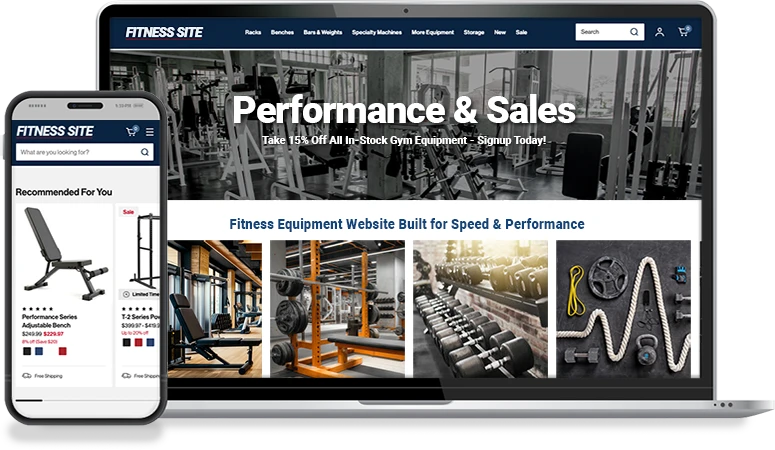
Home Gym & Fitness Brand
The Home Gym & Fitness Brand lifted organic revenue 118%, organic shopping revenue 2,051%, and top-3 keyword rankings 69% after a post-migration audit repaired indexation gaps, structured data, and keyword mapping from a Shopify replatform.

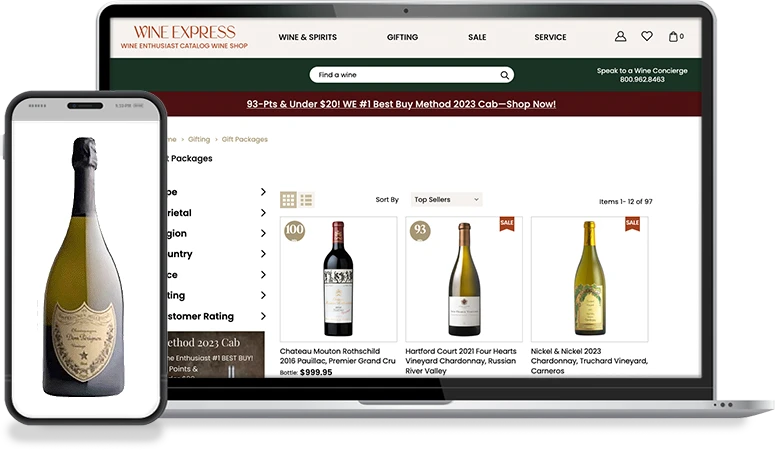

“I view the OBx team as an extension of my own marketing team — 100% focused on what we want to do to make our business work.” – Brent Noward, Director of Marketing, CORSA Performance
Free audit conversation
Talk With OuterBox About Your SEO Audit
Send us your site and we will tell you what we see: crawl barriers, content gaps, measurement issues, authority problems, platform constraints, and quick wins worth a closer look.
Prefer to talk through it? Call 1-866-647-9218.
Services
"*" indicates required fields
An SEO Audit Company Built for Cross-Team Findings
OuterBox has been building SEO, digital marketing, web development, analytics, and conversion programs since 2004. That matters because SEO audits rarely stay inside one department.
One finding may need a developer. Another may need a content strategist. Another may need a GA4 specialist, CRO lead, or ecommerce SEO strategist who understands how product, category, and feed data affect search.
Our team is built for that kind of handoff. We diagnose, prioritize, explain the tradeoffs, and stay close enough to help the findings become work your team can ship.
20+ Years
Digital Marketing Agency
1000+
Successful Client Partnerships
2M+
Page #1 Google Rankings
250+
USA-Based, In-House Experts
Why Choose OuterBox For Your SEO Audit
A good SEO audit company should give you more than issue counts. You should know what is broken, what the opportunity is worth, what can wait, what needs a specialist, and what should happen next.

-
Starting point: Starts with your site architecture, platform, business model, and revenue goals.
-
Scope: Reviews technical SEO, content, analytics, backlinks, competitors, CRO, and implementation needs together.
-
Roadmap: Connects audit findings to owners, timelines, and effort levels.
-
Platform expertise: Understands Shopify, Magento, BigCommerce, WooCommerce, WordPress, NopCommerce, feeds, and integrations.
-
Evidence: Uses case-study experience from audit-driven SEO work.
-
Next step: Can support the next step through SEO, content, analytics, CRO, web development, and strategy teams.
Typical agency or scanner audit
-
Starting point: Starts with a generic crawl export.
-
Scope: Lists issues by category without showing which ones matter most.
-
Roadmap: Leaves your team to translate findings into work.
-
Platform expertise: Gives platform-neutral advice that may not fit your stack.
-
Evidence: Relies on tool scores and broad recommendations.
-
Next step: Hands off a document and disappears.

Did You Know: Audits Age Quickly When They Are Not Owned. An audit can be accurate on the day it is delivered and stale a month later if no one owns the fixes. Templates change, products launch, redirects stack up, tags get added, and competitors keep publishing. That is why the roadmap matters as much as the findings.
Audit Findings Are Only Useful If They Ship
If your team already knows search is underperforming, another list of problems is not enough. You need the order of operations. OuterBox can help turn the audit into the next workstream: SEO packages for ongoing growth, web development support for technical fixes, content work for page gaps, analytics cleanup for reporting, or strategy support when leadership needs a clear plan before budget moves.
Audit follow-up services
Build on SEO Audit Results For Your Next Steps

Technical SEO Services
Technical SEO services ship the crawl, indexation, Core Web Vitals, schema, redirect, canonical, and architecture fixes the audit names.


SEO Audit Services FAQ

What is an SEO audit?
An SEO audit is a comprehensive analysis of the technical, on‑page, content, analytics, and off‑site factors that impact your organic search performance. It identifies issues and opportunities and provides a prioritized action plan to improve rankings and revenue.
How much does an SEO audit cost?
Pricing depends on site size, complexity, and goals, and is typically scoped hourly or as a fixed project. eCommerce and enterprise sites often require more effort than simple lead‑gen sites. Ongoing enterprise SEO engagements commonly range from $5,000–$25,000+ per month depending on competitiveness and scope.
How long does an SEO audit take?
Most audits take 3–5 weeks, including kickoff, analysis, and a live review of findings and recommendations.
What deliverables will I receive?
You’ll get a written audit with screenshots, a prioritized issue list, a keyword map, technical and on‑page recommendations, content and link‑building guidance, and an implementation roadmap with suggested owners and timelines.
When the audit is only the starting point, our SEO consulting services turn its findings into a prioritized roadmap, implementation briefs, and review checkpoints your team can use.
Do you offer eCommerce SEO audits?
Yes. We provide platform‑specific best practices, configuration guidance, and template‑level recommendations for all major eCommerce and CMS platforms.
What tools do you use during an SEO audit?
We commonly use Google Search Console, GA4, Screaming Frog, Ahrefs, SEMrush, Google PageSpeed Insights, GTmetrix, and Google’s structured data testing resources.
What is included in a technical SEO audit?
Technical audits cover crawlability, indexation, canonicalization, sitemaps, robots.txt, site architecture, Core Web Vitals, mobile‑friendliness, code efficiency, redirects, and server file configuration.
Do you offer enterprise SEO audits?
Yes. Local audits evaluate your Google Business Profile, Maps visibility, NAP consistency, local content, and citation/link signals for targeted regions.
How often should my site be audited?
Perform lightweight technical checks monthly and run comprehensive audits multiple times per year, especially after major site changes or algorithm updates.
What happens after the audit?
We can partner with your team to prioritize and implement recommendations, set up tracking and dashboards, and continue optimization to capture compounding gains.
Related Articles: SEO Audit Services

SEO | 9 min read
Google says no third-party SEO tool sees its ranking data. Here’s where Search Console is authoritative, and where third-party tools still earn their place.

SEO | 16 min read
SEO prices in 2026 run $100–$250 per hour, $3,000–$7,500 a month for most US agencies, or $5,000–$50,000 for project-based work. The range is wide because…

SEO | 6 min read
Searching for an eCommerce SEO Agency in 2026 feels…familiar. Every “Top 10” list looks the same. Every agency claims to be “data-driven”. And half of…