By: Jeff Hirz
More website traffic only matters when the right visitors show up, engage, and move closer to becoming customers. This guide explains how to increase website traffic across 15 practical channels, including SEO, content, local search, backlinks, mobile experience, directories, social media, landing pages, email, analytics, Google Ads, display, paid social, retargeting, and measurement.
Traffic helps you test marketing ideas, compare channels, build search visibility, and spot what buyers care about. But raw sessions are easy to chase and hard to turn into revenue. The better question is how to increase website traffic from people who are likely to read, compare, subscribe, request a quote, or buy.
These 15 tactics cover the main traffic channels: SEO, content, local search, backlinks, mobile experience, directories, social, landing pages, guest content, email, analytics, Google Ads, display, paid social, retargeting, and measurement.
Use SEO to Increase Website Traffic From Search
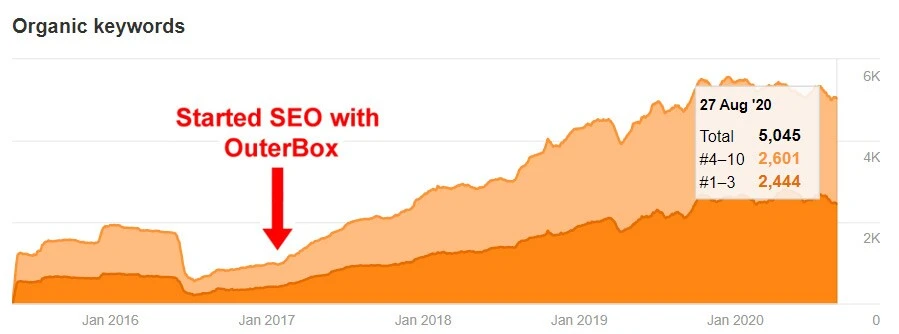
Search engine optimization is still one of the strongest ways to drive qualified traffic to your website. The work starts with matching pages to search intent: what people need, what they expect to find, and which page on your site should answer that need.
For every traffic-focused page, ask:
- Does the page target a real keyword theme?
- Does the title tag and meta description explain the page clearly?
- Does the copy answer the questions a visitor would bring to the page?
- Do image alt attributes describe meaningful images?
- Do internal links point readers toward useful next steps?
- Do external links support claims where a source helps the reader trust the answer?
AI Overviews do not change the basics. Google says there are “no additional requirements” to appear in AI Overviews or AI Mode beyond normal Search fundamentals. That means the practical path is still useful content, clear structure, crawlable pages, trusted sources, and a site that helps people finish the task they started.
Target Long-Tail Keywords Organically
Long-tail keywords usually have lower search volume than broad head terms, but they often show clearer intent. A phrase like how to get traffic to your website tells you the reader wants a process. A phrase like traffic on website is broader and needs more interpretation.
Use head terms to understand the market. Use long-tail phrases to build sections, FAQs, examples, and supporting articles that answer specific questions. That is how a page can pick up traffic for a cluster of related searches instead of relying on one exact-match phrase.
Write Educational Website Content That Ranks
Educational content gives search engines and readers something to work with. Thin pages can technically target a keyword, but they rarely answer enough of the searcher’s question to earn strong engagement or links.
Good content usually has a specific job. A category page helps shoppers compare products. A service page explains fit, process, and proof. An article answers a question in enough depth that the reader does not need to bounce back to search results right away.
Keep these content basics in place:
- Write headlines that explain the value of the page.
- Vary article formats based on the searcher’s need: checklists, guides, comparisons, examples, and FAQs.
- Use images, charts, screenshots, or video when they make the idea easier to understand.
- Keep the page educational before it becomes promotional.
If your team needs help turning search intent into useful pages, SEO content writing should make the page clearer, more complete, and easier to evaluate.
Use Google Business Profile to Capture Local Traffic
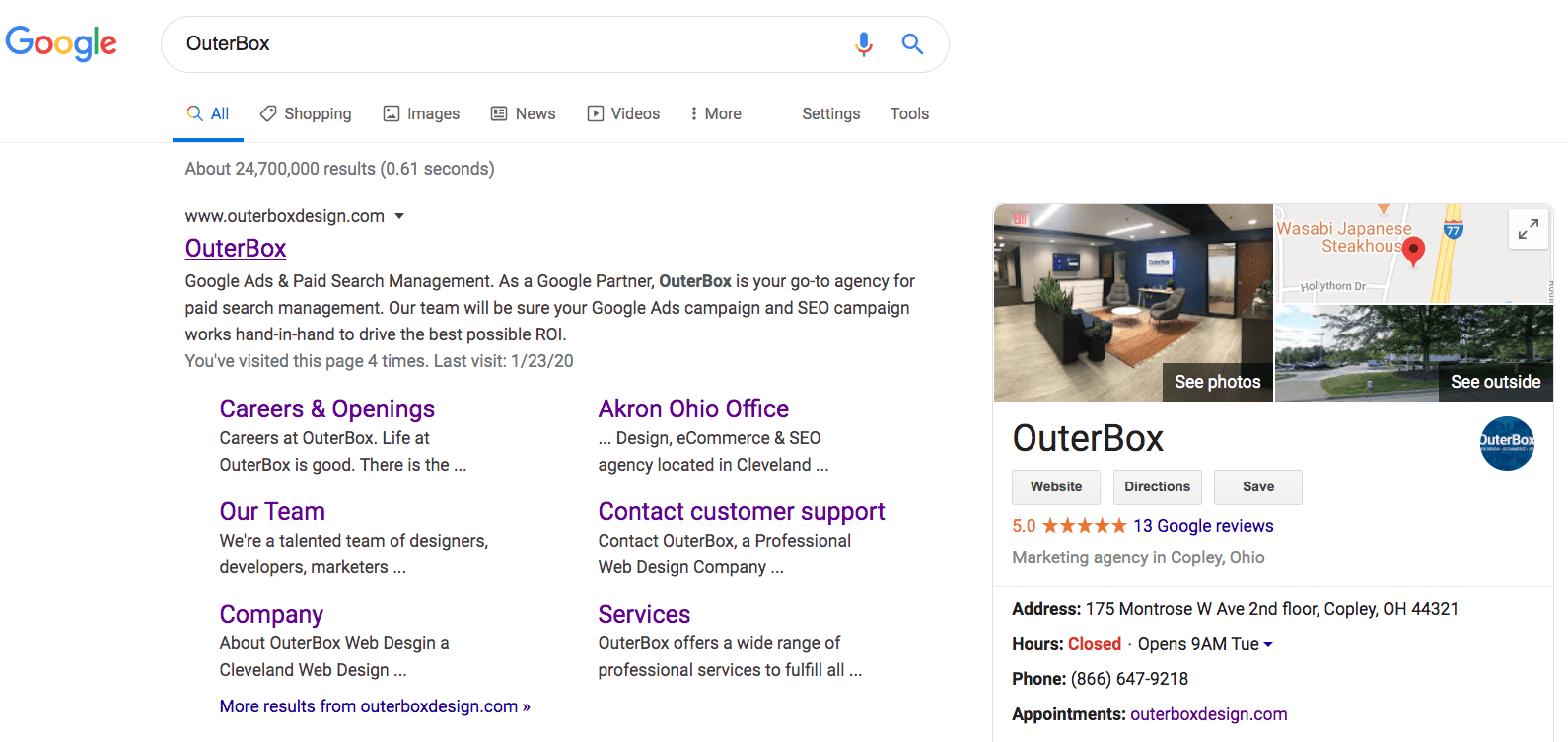
Local businesses can increase website traffic by keeping their Google Business Profile accurate and active. Google announced in 2021 that “Google My Business” was being renamed “Google Business Profile,” and business owners can manage profile details through Search and Maps.
The traffic path is simple. A searcher looks for a product or service near them, sees a local result, checks reviews, scans photos, reads service details, and either calls, asks for directions, or clicks through to the website.
Local profile basics matter:
- Keep your name, address, phone number, hours, and categories accurate.
- Add useful photos that show the business, team, products, or location.
- Use services and product fields where they fit.
- Respond to reviews with a real tone.
- Keep location pages consistent with the profile.
Local SEO services help when the issue is bigger than profile cleanup: multi-location consistency, location-page structure, citation conflicts, review strategy, or local landing pages that are too thin to convert.
Earn Backlinks to Your Website
Backlinks still help people and search engines discover your site, but the quality of the link matters more than the raw count. A useful backlink comes from a relevant page where the link makes sense for readers.
Google’s spam policies define link spam as links created primarily to manipulate rankings. So the goal is not to buy a batch of links, trade links at scale, or place low-value guest posts anywhere that will take them. The goal is to create something worth citing.
Three practical ways to earn links:
- Publish original data, calculators, templates, or visual resources people can reference.
- Build relationships with industry publications, associations, partners, and vendors.
- Turn useful internal knowledge into public guides, then promote them to people who actually cover that topic.
Link Building Services can support that work when link acquisition needs research, outreach, and content assets behind it. For an example of the asset-led approach, see this link building case study on statistics-driven content.
Make Your Site Responsive, Mobile-Friendly, and Fast
Mobile experience affects both users and search visibility. Google uses the mobile version of a site’s content for indexing and ranking, so the mobile page cannot be a stripped-down afterthought.
Start with the obvious problems: text that is hard to read, tap targets that are too close together, popups that cover the page, images that push content around, and page templates that load slowly on mobile networks.
Then check Core Web Vitals. Google and web.dev define good thresholds as Largest Contentful Paint within 2.5 seconds, Interaction to Next Paint of 200 milliseconds or less, and Cumulative Layout Shift of 0.1 or less. INP is the current interaction metric; it replaced First Input Delay as a Core Web Vital.
Our guide to page-speed metrics explains how to read those numbers without turning the whole project into a developer-only conversation.
Get Listed in Online Directories
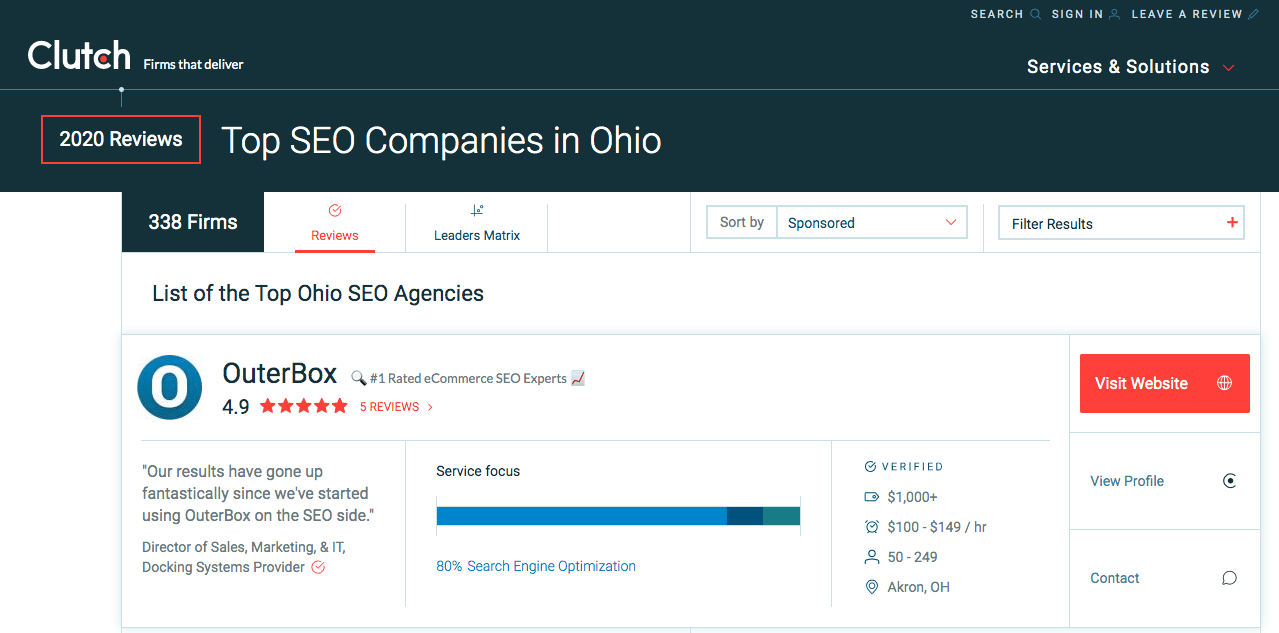
Directories can still send referral traffic and support local trust when they are accurate. They are most useful when a buyer already expects to compare vendors or verify legitimacy in that space.
Focus on three groups:
- Industry-specific directories, associations, and marketplaces.
- Local profiles such as Google Business Profile, Bing Places, Apple Business Connect, Yelp, and BBB.
- Review or comparison sites that your buyers actually use.
Listing hygiene is the part teams miss. A half-updated address, old phone number, wrong category, or dead website link can send people to the wrong place. Review top listings at least a few times a year and after any rebrand, move, acquisition, phone update, or service-line change.
Promote with Social Media
Social media can drive traffic to website content, especially when the post gives people a reason to click through. A bare link to a blog post rarely does much. A useful excerpt, strong visual, short video, poll, or customer question can earn attention before the link asks for a visit.
Treat each platform differently. LinkedIn may work for B2B explainers and hiring-adjacent proof. Instagram and TikTok can support product education, short demos, and brand affinity. YouTube can turn one good topic into search visibility, embedded content, and referral traffic.
Social media marketing services can help when the issue is not posting frequency, but whether the content, offer, and audience fit the channel.
Engage and Participate in Your Community
Participation beats broadcasting. Comment on relevant posts. Answer real questions. Join industry conversations where your experience helps.
Keep the tone useful and restrained. If every answer turns into a link to your site, people will tune it out. A better pattern is to answer the question directly, then link only when the page adds real context.
Build Landing Pages for High-Intent Searches
Landing pages can pull in traffic when they match specific searches that broad pages cannot handle well. Think industry pages, location pages, product-use pages, comparison pages, promotion pages, and service pages for clear buyer problems.
The landing page should not exist only because a keyword has volume. It needs a real purpose: answer the search, explain the offer, prove fit, and give the visitor a clear next step.
Good landing pages usually include:
- A focused H1 and title tag.
- Copy that matches the query’s intent.
- Proof that fits the audience.
- A clear CTA.
- Internal links to the next useful page.
If page design is the bottleneck, landing page design services can help connect search intent, copy, form placement, and conversion tracking.
Invite Guest Contributors
Guest contributors can bring fresh expertise, useful examples, and their own audience. The quality bar matters. A generic guest post written only for a backlink will not help much and may hurt trust.
Look for contributors who have real experience in the topic: customers, partners, subject matter experts, industry operators, or creators with a relevant following. Give them a focused brief. Ask for examples, screenshots, data, or lessons that your internal team cannot easily produce.
Guest content should still match your editorial standards. Review links, claims, author bios, and examples before publishing. The page lives on your site, so the quality belongs to you.
Drive Return Traffic with Email Marketing
Email brings people back after the first visit. Search and social can introduce someone to your brand; email keeps useful content, offers, and product updates in front of people who already showed interest.
Email works when the message is useful and timed well. It struggles when every send is a promotion or when the list is treated like one audience.
Segment by buyer stage, product interest, purchase history, location, or content interest where you have the data. Send useful guides, product education, event invitations, replenishment reminders, or sale notices based on what the audience actually signed up to receive.
Email marketing services can support that traffic loop when list growth, template design, segmentation, automation, and reporting need to work together.
Learn from Your Analytics
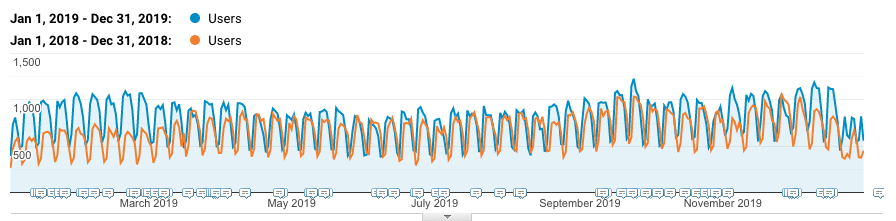
Analytics should tell you which traffic sources are creating useful visits and which pages need work. Google recommends using Search Console and Google Analytics together because they show different parts of the journey.
Search Console shows what happens before the click: queries, impressions, clicks, click-through rate, and average position. GA4 shows what happens after the click: sessions, engagement, events, key events, traffic sources, and page paths.
Use both. A page with high impressions and low clicks may need a better title tag or meta description. A page with strong clicks and weak engagement may need better content, faster load time, clearer next steps, or a better match to the query. For this page, Search Console is also the place to spot query groups that earn impressions but need stronger click appeal before broader rewrites.
Drive Instant Traffic with Google Ads
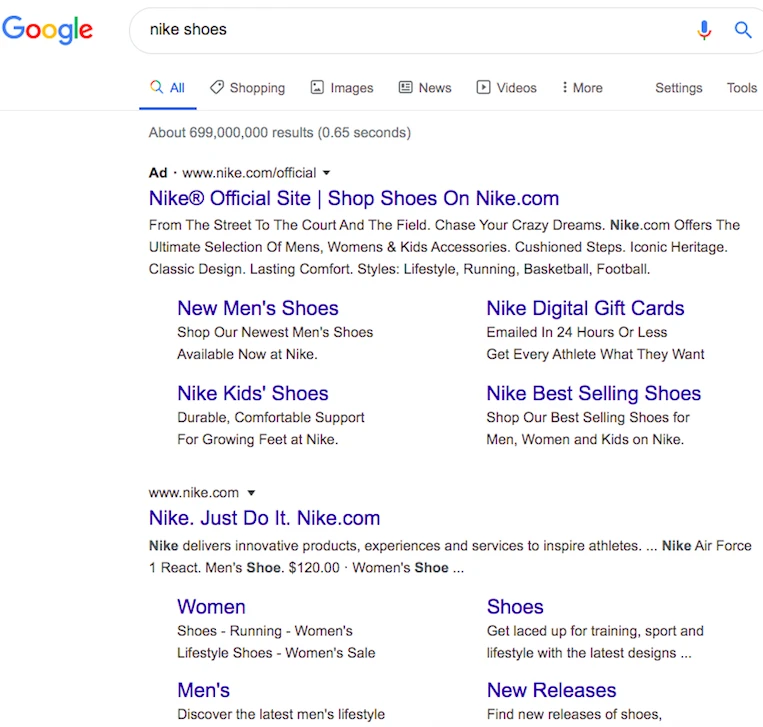
Organic channels take time. Google Ads can put your site in front of qualified searchers faster, especially for product, service, brand, competitor, or promotion queries.
Paid search can drive traffic from people already searching for a specific product or service, but campaign types and automation have changed. Performance Max, for example, lets advertisers access Google Ads inventory from one goal-based campaign, while Search campaigns still matter for keyword-specific control.
For eCommerce, product data matters. Google Shopping and Merchant Center feeds connect product titles, descriptions, prices, availability, and images to ad visibility. If the feed is messy, paid traffic quality usually suffers.
A well-run PPC management program should separate traffic volume from traffic quality. The point is not more clicks at any cost. It is more of the clicks that can turn into revenue.
Round Out Paid with Display, Paid Social, and Retargeting
Paid search captures active demand. Display, paid social, and retargeting can build awareness, re-engage visitors, and support campaigns that need more than search demand alone.
Display ads can reach people while they read related content. Paid social can target audiences by interest, behavior, job role, or lookalike signals. Retargeting can bring previous visitors back when they have not yet requested a quote, subscribed, or purchased.
The strongest paid media plans connect these channels to one measurement framework. Otherwise, every platform claims credit and no one knows which traffic helped the business.
Measure Traffic Quality, Not Just Sessions
More sessions can look good in a report and still do little for the business. Traffic quality shows up in what visitors do after they arrive.
Look at engagement time, scroll depth, key events, form submissions, calls, add-to-cart actions, checkout starts, revenue, assisted conversions, and repeat visits. GA4 defines a key event as an action that is particularly important to your business, which is the right mindset for traffic measurement.
Traffic should be judged by source and page type. A top-of-funnel article may earn newsletter signups or assisted conversions. A product category should drive product views and cart actions. A service page should produce qualified leads. If the metric does not match the page’s job, the traffic report will mislead you.
OuterBox case studies show why this matters. AC Plastics saw a 1,225% organic search traffic increase alongside a 450% increase in organic online leads. Fanuc World saw 249% total website traffic and 550% online revenue growth. The useful story is not traffic alone. It is traffic tied to outcomes.
Keep Your Website Traffic Plan Connected
Website traffic grows when the channels support each other. SEO creates durable visibility. Content gives people a reason to visit. Local profiles capture nearby demand. Paid media fills urgent gaps. Email brings people back. Analytics shows what deserves more investment.
If you are trying to increase online sales as well as visits, the next useful read is our guide on how to increase online sales. Traffic and revenue need to be measured together, or the site can look busier without becoming more valuable.
Frequently Asked Questions About Website Traffic
How do I get traffic to my website?
The best way to get traffic to your website is to publish pages that answer real search intent, then support them with internal links, useful content, local profiles, email, social promotion, and paid media where it fits. A crawlable site and clear measurement setup make every channel easier to improve.
How can I increase website traffic organically?
Useful content is the foundation. Google’s SEO Starter Guide says compelling and useful content can influence search presence more than other suggestions, so build pages that answer specific questions, satisfy intent, and connect to related resources.
How long does SEO take to increase web traffic?
SEO changes take time to show in Google. Some fixes are reflected quickly, while competitive content, authority, and technical improvements often need weeks or months before results are clear. Avoid any plan that promises a fixed ranking date.
Can I do SEO myself?
Yes, especially for a smaller local business. Google says many small local businesses can do much of the work themselves. Professional support becomes more useful when technical issues, content scale, migrations, link acquisition, or multi-location SEO make the work harder to manage.