
Contract Manufacturing Marketing Agency
Contract manufacturing marketing has to help the right OEMs, product companies, and procurement teams understand fit before they request a quote. OuterBox builds that path around capability visibility, paid demand control, RFQ quality, quote-path clarity, and lead attribution. The goal is not more form volume. It is better-fit inquiries tied to process, material, certification, volume, timeline, and production need.
Request an RFQ Quality Review, or review your RFQ pipeline with OuterBox.



Contract Manufacturing Buyers Need More Than A Generic Manufacturing Page
A contract manufacturer can have strong equipment, experienced production teams, and open capacity, but buyers still need to understand whether the company fits the work they are trying to source. That fit may depend on process, material, run size, quality system, certification, application, engineering support, DFM input, NPI support, lead time, and repeat-program potential.
Generic manufacturing marketing usually misses that buying path. It talks about quality, service, and experience while serious buyers are asking harder questions. Can this company handle the material? Does it work at the right volume? Does it have the quality controls a regulated buyer expects? Can it support a prototype-to-production handoff without wasting both teams’ time?
That is why marketing for contract manufacturing has to support sales qualification as much as awareness. SEO should make process and capability pages visible. Paid media should filter out low-fit searches before budget scales. Website and CRO work should make the RFQ path collect the right context. Analytics should show which channels create quoteable production opportunities instead of reporting only clicks and forms. A contract manufacturing marketing agency should help sales qualify RFQ fit, not just report traffic and form volume.
The page cannot pretend every contract manufacturer works the same way. A food co-packer, electronics assembler, precision component supplier, and private-label manufacturer may need different qualification signals. The shared job is to help the buyer see fit before sales spends time on the wrong conversation.
How Contract Manufacturing Buyers Evaluate Fit
Contract manufacturing buyers usually arrive with a job to qualify. They may need a production partner, a co-packer, a sub-assembly supplier, a replacement for an underperforming vendor, or a manufacturer that can support a new product launch. The marketing program has to support that evaluation through content, campaigns, quote paths, and reporting signals.

RFQ Quality That Sales Can Actually Quote
Will marketing produce RFQs sales can actually quote?
Your RFQ path should help a serious buyer explain the work before sales follows up. Product type, process, material, volume, timeline, certification needs, application, packaging, commercial context, and buyer role can all change whether the opportunity fits. Contract manufacturing marketing should make those details easier to provide and easier to route. Anonymized Food Co-Packer results show why this matters: lead-quality work, campaign feedback, and 1,684+ negative keywords helped filter demand toward better-fit buyers. That same filter protects sales from treating every form as equal when only some requests match production capacity.
Production Capacity Buyers Can Evaluate
Can buyers understand production fit before they call?
Your capability pages should help buyers decide whether their work belongs in your production environment. Depending on the manufacturer, that can mean run size, MOQ, equipment, material options, packaging format, batch size, repeat-program fit, lead-time pressure, or prototype-to-production support. The copy should help the buyer see relevant production boundaries so sales can spend more time on real fit and less time resetting expectations. The best version makes fit visible without overclaiming universal capabilities, because contract manufacturers differ by process, market, and capacity model.
Quality And Certification Signals That Matter
Can buyers see quality and compliance signals clearly?
Your site should surface the quality signals that matter for the work you actually accept. ISO, AS9100, IATF, ISO 13485, inspection processes, traceability, testing methods, and quality-system language may all matter in different contract manufacturing contexts. The marketing job is to make approved quality evidence easier to find, easier to understand, and easier to connect to the right capability pages before the RFQ starts. That means showing relevant signals clearly while avoiding blanket certification claims that do not apply to every manufacturer or production model.
Content For Engineers And Procurement Teams
Can engineers, product teams, and procurement evaluate enough before sales?
Your technical buyer may be checking manufacturability, tolerances, materials, BOM details, packaging constraints, test requirements, DFM support, NPI experience, or approved-vendor expectations. Thin service copy makes that buyer start over in a call or leave for a manufacturer with clearer detail. Strong contract manufacturing content gives engineering and sourcing teams enough information to keep evaluating while still leaving room for sales to qualify edge cases, drawings, timelines, and commercial fit. This is especially important when the buyer is comparing multiple suppliers before sharing a full technical packet.
Paid Media That Filters Low-Fit Demand
Can paid media filter out low-fit and wrong-service demand?
Your paid program should protect budget from vague manufacturing searches, consumer requests, one-off prototypes, wrong-service phrases, unsupported material needs, and low-volume inquiries that sales cannot quote profitably. Campaigns should separate priority processes, product types, applications, geographies, and disqualifying intent. Negative keywords are part of the lead-quality system. The Food Co-Packer account used 1,684+ negative keywords because better fit mattered more than raw lead count. That paid-media discipline belongs upstream, before spend scales into the wrong market and sales has to absorb the cleanup.
Attribution For Production-Fit Opportunities
Can leadership see which channels create production-fit opportunities?
Your reporting should show which searches, ads, pages, forms, calls, and campaigns create inquiries that sales can qualify into quoteable work. Traffic and form totals do not tell leadership whether marketing is filling capacity with the right opportunities. A useful report connects source, process interest, buyer type, quote status, and sales outcome where the data is available. That gives owners, sales leaders, and finance a clearer view of which marketing work deserves more investment. It also gives marketing better feedback when sales says lead volume is not the real problem.
How Industrial Search Supports Better Contract Manufacturing Leads
See how OuterBox helped Chicago Plastic Systems, a custom plastics manufacturer, reach five straight years of 20% growth with SEO, paid search, and deep industrial market expertise. The same discipline this page applies to contract manufacturing shows up in the video: technical buyers have to find the right capability, trust it, and take a qualified next step toward an RFQ.
How a plastics manufacturer reached five years of 20% growth through SEO and paid search.
Better Marketing Should Produce Better-Fit RFQs
Qualified production demand is the outcome. A contract manufacturer does not need more inquiries if the inquiries come from the wrong process, wrong material, wrong volume, wrong certification need, or wrong commercial fit. Better marketing should help the right buyers decide faster and help the wrong buyers self-disqualify earlier.
Your marketing should make capability and production fit visible before the RFQ. Paid campaigns should stop spending into obvious mismatch. Forms should collect quote-critical context without making serious buyers work too hard. Reporting should show which channels create sales conversations that can become real work.
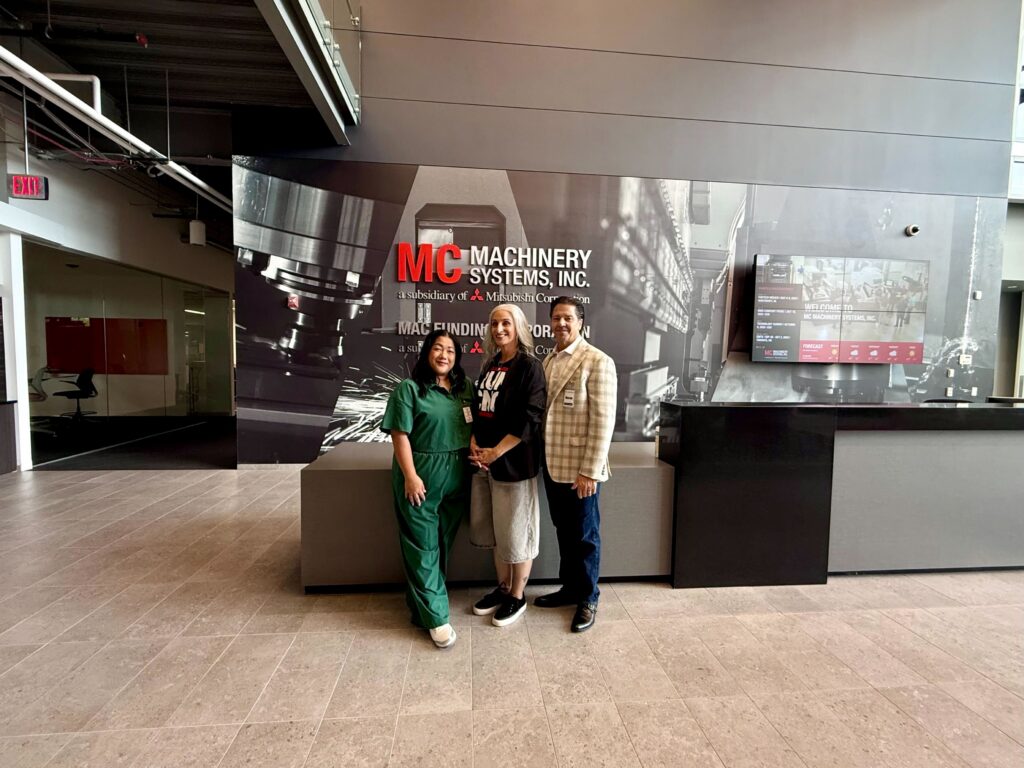
Lead Quality Gains for A Contract Manufacturer
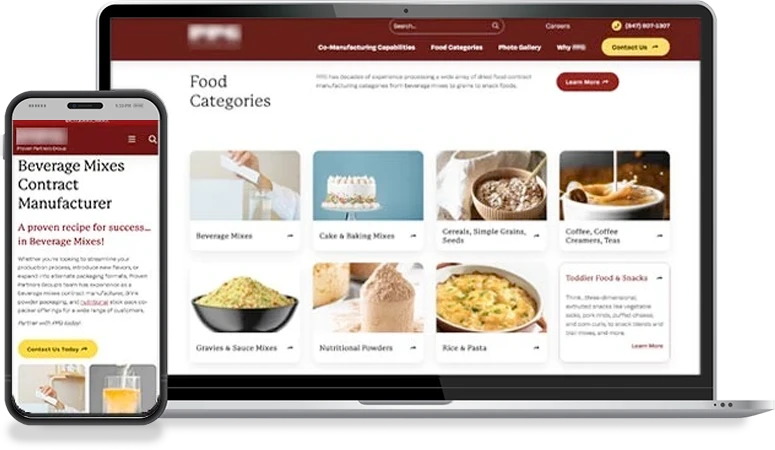
How a food co-packing and contract manufacturer improved lead quality and added production capacity.
A food co-packing and contract manufacturing company needed better lead quality from paid media, stronger demand visibility, and clearer campaign feedback. The account was not treated as a generic manufacturing lead-generation problem. OuterBox refined paid targeting, used LOOP Analytics to understand lead quality, and added 1,684+ negative keywords to control consumer and wrong-fit demand.
Four results from that case show why fit-focused marketing matters. Demand quality improved enough for the company to expand production capacity. That is the kind of marketing story contract manufacturers can understand: better-fit demand has more business value than a larger pile of weak forms.

One Connected Team Behind Contract Manufacturing Growth
Contract manufacturing growth usually breaks when SEO, paid media, web design, CRO, content, and analytics are managed as disconnected work. The buyer does not experience the program that way. A buyer may find a process page through search, compare certifications, return through a paid ad, read a technical resource, start an RFQ, and speak with sales before anyone knows whether the opportunity fits.
OuterBox brings those parts into one industrial marketing program. The strategy starts with the buyer path and sales qualification standard, then builds content, campaigns, quote paths, and reporting around that standard. That matters for contract manufacturers because marketing can only support capacity when it understands what sales considers quoteable work.
That is the reason a connected agency partner matters. The page, the campaign, the form, and the report should all support the same definition of a qualified contract manufacturing opportunity.
20+ Years
Digital Marketing Agency
1000+
Successful Client Partnerships
2M+
Page #1 Google Rankings
300+
USA-Based, In-House Experts
RFQ Quality Review
Build A Contract Manufacturing Growth Program Around RFQ Quality
If your current marketing creates traffic but not enough quote-ready opportunities, bring OuterBox into the conversation. We will review capability visibility, paid demand quality, quote-path friction, technical content gaps, and reporting signals so your next program is built around the work your team wants to quote.
Services
"*" indicates required fields
Where Generic Contract Manufacturing Marketing Breaks Down
Generic campaigns often look fine in a report before they fail in sales. The website gets traffic. The form gets submissions. The campaign gets clicks. The sales team still spends too much time disqualifying requests that should have been filtered earlier.

- Capability content: Build capability content that explains process, material, certification, volume, quality, and application fit before the buyer reaches sales.
- Quote paths: Improve quote paths so product, process, volume, timeline, certification, and buyer context arrive in a usable sequence.
- Paid segmentation: Segment campaigns by process, product type, application, geography, landing-page fit, and disqualifying intent before budget scales.
- Technical content: Write technical content for engineers, procurement teams, quality teams, and business development users who need real evaluation detail.
- Connected reporting: Connect source, campaign, page, form, quote status, and sales feedback where data access allows it.
- Focused hub: Keep the contract manufacturing hub focused while linking out to broader Industrial, Manufacturing, OEM, and Machine Shop pages.
Generic or Status-Quo Marketing
- Capability content: The page hides production fit behind broad full-service manufacturing language.
- Quote paths: The RFQ path treats weak and high-fit inquiries the same way.
- Paid segmentation: Paid media buys broad manufacturing demand and leaves sales to sort the mismatch.
- Technical content: Technical copy repeats quality claims and equipment language without helping buyers qualify fit.
- Connected reporting: Reporting stops at traffic, clicks, and forms.
- Focused hub: Related services blur the audience and pull the page toward a generic manufacturing message.
More Resources For Contract Manufacturing Growth Teams

SEO | 16 min read
Whether you handle your search engine marketing in-house or hire an SEO agency to develop and manage your campaign, it is extremely important to be…

Analytics | 5 min read
Whether you own a lead generation website or an eCommerce website , it is essential not only to track how many visitors your site gets,…

Email | 5 min read
Think B2B email marketing doesn’t work in the industrial industry? Industrial marketing requires tons of touchpoints throughout a long sales cycle. Without email marketing, you…
How The Contract Manufacturing Program Comes Together
A useful contract manufacturing program starts with the work sales wants, then aligns every channel to that definition of fit. The sequence below turns strategy into capability visibility, paid filtering, RFQ improvement, and lead-quality reporting without forcing every manufacturer into the same claim set.
-
Define the work sales wants more of. Process, material, application, volume, certification, buyer type, geography, margin, and repeat-program fit all shape the marketing plan. That definition keeps content, paid media, forms, and reporting focused on quoteable demand.
-
Build capability paths buyers can evaluate. Process pages, material pages, quality-system content, application pages, and technical resources give buyers enough evidence to keep evaluating without turning the site into a spec dump.
-
Filter paid demand before budget scales. Campaigns, negative keywords, landing pages, and conversion tracking should use the same qualification language sales uses. Budget becomes easier to defend when inquiries match the work the business wants.
-
Improve the RFQ and quote path. The form, quote request, call path, and sales handoff should collect enough detail to support a useful first response while preserving an approachable path for buyers who still need a technical conversation.
-
Report on lead quality and capacity fit. Source, campaign, process interest, form detail, call context, quote status, and sales feedback help leadership decide what to scale, what to fix, and what to stop buying.
What Makes OuterBox Different For Contract Manufacturers

The strategy starts with quoteability.
The program is built around the details sales needs to qualify work: process, material, volume, timeline, certification, application, and buyer context. That keeps marketing aimed at useful opportunities instead of treating all form submissions as equal.

The page architecture supports production fit.
Capability content is planned around how buyers shortlist suppliers. Pages should help buyers understand the production environment, fit boundaries, and next step before they ask sales to spend time on a request. The architecture also keeps broad manufacturing traffic from overwhelming the contract manufacturing message.

Paid media and SEO share the same fit language.
Search visibility, paid campaigns, and landing pages use one demand map so channels do not chase different definitions of success. This makes campaign filtering and organic content reinforce the same qualified-buyer path, and it gives reporting a cleaner way to compare channel performance.

CRO work respects the sales process.
Forms and quote paths collect better context without turning every buyer into a long questionnaire. The goal is enough information for a useful first response, not friction that drives serious buyers away. Sales gets better context while buyers still see an approachable next step.

Proof is labeled honestly.
Our food co-packer proof stays in its own lane. Where OuterBox references broader industrial and manufacturing results, those examples stay in their own context instead of being presented as contract manufacturing outcomes. That keeps every claim credible.

Reporting connects marketing to useful opportunities.
Leadership sees which sources, campaigns, pages, and forms create work the business can quote. Reporting should make lead quality visible so the team can scale useful channels and stop buying low-fit demand. The agency conversation stays tied to sales usefulness, not activity alone.
Related Services
Related Services For Contract Manufacturing Growth





Ready To Improve RFQ Quality?
Your next marketing program should help the right buyers see fit, request a quote with better context, and give leadership clearer demand signals. Talk with OuterBox about a contract manufacturing growth consultation built around capability visibility, paid fit, and RFQ quality.
"*" indicates required fields
"*" indicates required fields
Contract Manufacturing Marketing FAQs
These FAQs help contract manufacturing teams evaluate fit, service mix, paid search, SEO, RFQ quality, proof boundaries, and what a useful strategy review should cover before placement.
What is contract manufacturing marketing?
Contract manufacturing marketing helps production partners attract and qualify buyers who need outsourced manufacturing, co-packing, sub-assembly, private-label production, fabrication, or related production support. The work usually includes SEO, paid media, capability content, website strategy, conversion optimization, and analytics tied to RFQ quality.
How is marketing for contract manufacturing different from general manufacturing marketing?
Contract manufacturing buyers often evaluate a supplier by process, material, capacity, certification, quality system, engineering support, and volume fit before sales contact. General manufacturing marketing can be too broad if it does not help buyers understand whether the manufacturer fits the job they need quoted.
Which digital marketing services matter most for contract manufacturers?
SEO, paid media, website strategy, CRO, technical content, and analytics usually matter most because they support the full RFQ path. SEO and content make capabilities visible. PPC captures and filters demand. Web and CRO improve the quote path. Analytics shows which inquiries become useful opportunities.
Can SEO help contract manufacturers get better RFQs?
SEO can help when the strategy targets capability, process, material, application, certification, and buyer-intent searches instead of only broad manufacturing phrases. Stronger visibility should be paired with page content and forms that help buyers describe the work clearly.
How can PPC avoid low-fit contract manufacturing leads?
PPC can avoid low-fit leads by structuring campaigns around priority processes, buyer types, materials, applications, and landing pages, then using negative keywords and sales feedback to exclude mismatched demand. Exact Food Co-Packer proof shows why this matters: the program used 1,684+ negative keywords to improve fit.
What should a contract manufacturing website show before a buyer requests a quote?
The site should show relevant capabilities, production fit, quality signals, certification examples where applicable, DFM or NPI support, material and process information, application context, and what details belong in the RFQ. The exact details vary by manufacturer.
Does OuterBox have contract manufacturing case-study proof?
Yes. OuterBox’s exact contract manufacturing proof is a food co-packing and contract manufacturing case study. OuterBox also has adjacent industrial manufacturing, industrial parts, paid search, and product-fit experience. Those comparisons can be useful when they are labeled honestly, but they are not presented as exact contract manufacturing proof.
What should an RFQ quality review include?
An RFQ quality review should look at the searches, campaigns, pages, forms, calls, quote fields, routing logic, and reporting signals that shape lead quality. It should identify where good-fit buyers get enough information, where wrong-fit demand enters the system, and how sales feedback can guide the next marketing move.