
Lease-Up Marketing That Fills New Communities Fast
"*" indicates required fields
"*" indicates required fields






What Makes Lease-Up Marketing Different
Lease-up marketing is a niche that requires specialized expertise. OuterBox understands the challenges that separate a lease-up from ongoing apartment marketing:
- The clock starts before the building does, since debt service runs whether or not units are occupied.
- A new address starts with no photos, no reviews, and no search presence until someone builds one.
- Success means closing the gap from zero to full, not holding a steady occupancy level.
- Pacing matters as much as volume, since the real number is units per month against the delivery schedule.
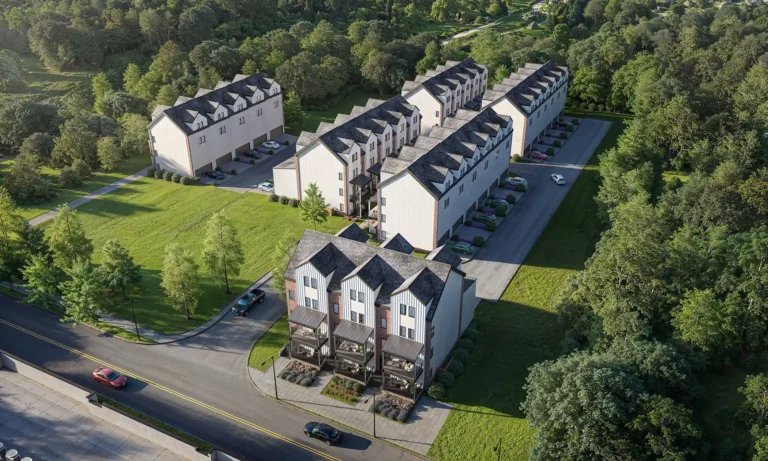
- Build-to-rent and phased deliveries release inventory all at once or in stages, adding a layer other lease-ups don’t have.
OuterBox has run lease-up programs across new multifamily and build-to-rent communities, and treats every one as its own timeline instead of a copy of the last launch.









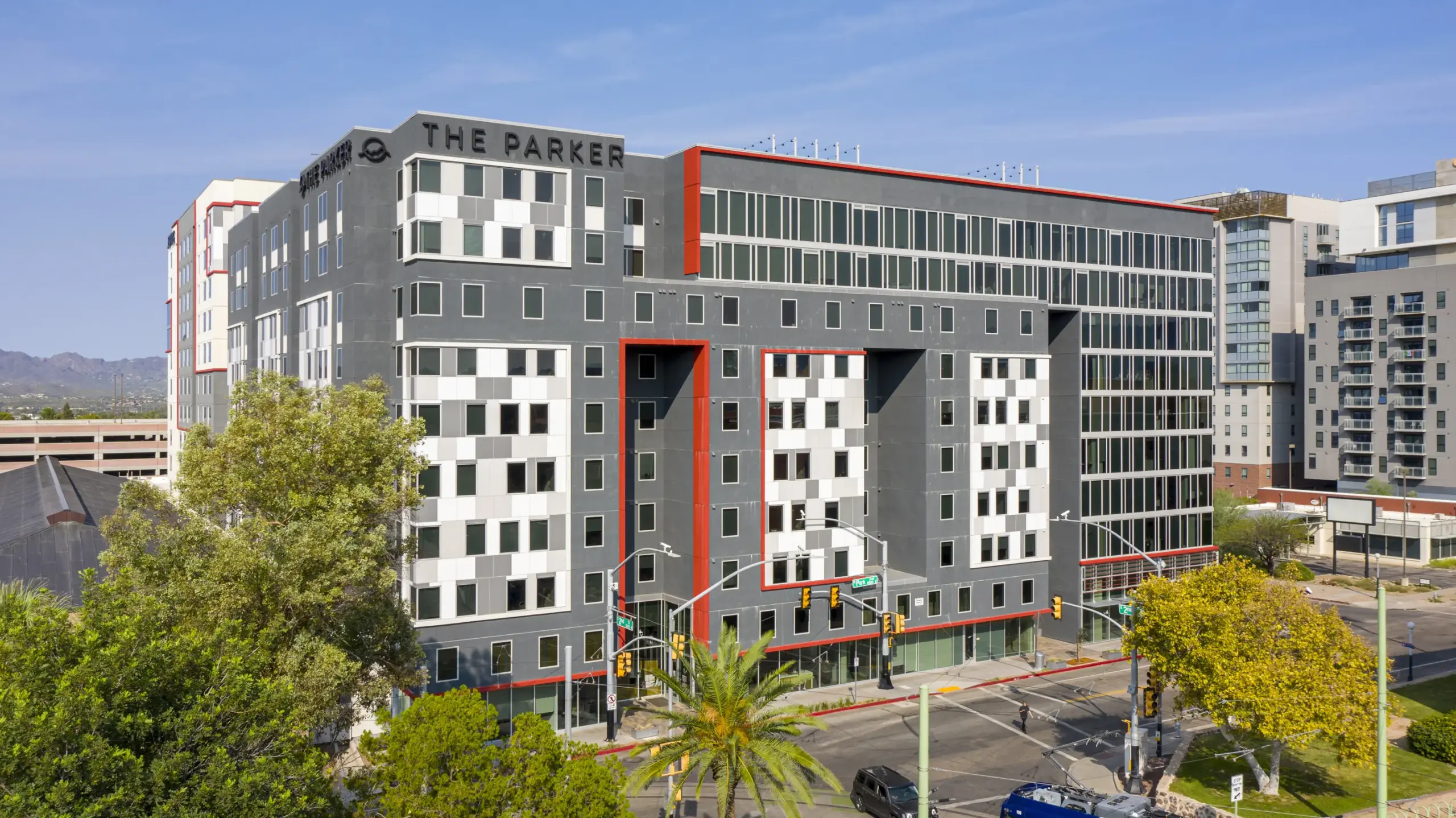
Haverly Reached 100% Leasing Occupancy
An empty unit costs money every month it sits open, no matter how strong the market looks on paper. For Haverly, a new project in Midtown Phoenix, OuterBox built a coordinated program across Google paid ads, paid social, programmatic and geofence advertising, and SEO to close that gap and fill the community.
new conversions
leasing occupancy

Performance Marketing for Residential Communities
OuterBox has managed lease-up programs across new multifamily and build-to-rent communities, so we’re quite familiar with the pre-construction-to-stabilization arc. That experience means the team already knows what a delivery schedule actually requires before day one—we’re not learning the ins and outs of this industry on the fly.
A lease-up plan can’t come from a rigid template. It needs to be updated continually in response to outcomes. Optimizations need to be made by the week, not the quarter, to keep things on pace. OuterBox reviews pacing against the delivery schedule regularly through the active window, so a slipped move-in date or a phase release changes the campaign that same week, not the following month.
That same team sits inside OuterBox's broader housing marketing practice, so the same standards and reporting carry over the day your community moves from lease-up into an ongoing occupancy program.
20+ Years
Digital Marketing Agency
1000+
Successful Client Partnerships
2M+
Page #1 Google Rankings
300+
USA-Based, In-House Experts

What Aptitude Development Says About Working With OuterBox
[OuterBox] has consistently exceeded our expectations, delivering innovative strategies that have significantly boosted our online presence and engagement.
Jared Hutter, Aptitude Development
What to Ask a Lease-Up Marketing Agency

Do They Understand the Pace of Lease-Up Marketing?
A lease-up campaign runs against a pro forma and a debt service schedule, not an open-ended timeline. A partner who treats this like an ongoing occupancy account will miss why pace matters as much as volume.
See the Haverly Lease-Up →
Can They Build Demand Before There's Any Proof to Show For It?
A pre-inventory community has no photos, no reviews, and no leasing history to lean on. Ask how an agency builds credibility and demand before any of that exists.
Read our case studies →
Do They Pace Campaigns to Absorption, Not Just Lead Volume?
A flood of leads that outpaces available units doesn't help hit a delivery date, and a trickle that undershoots it doesn't either. Ask how they calibrate spend to units coming online per month, not a flat lead target.
Learn about our reporting →
Do They Know Where Lease-Up Ends and Ongoing Occupancy Begins?
Lease-up is a distinct phase with its own goals, and a partner who doesn't plan for the handoff at stabilization will leave you improvising the next stage. Ask what changes in their approach once the community reaches stabilized occupancy.
Our Multifamily Marketing →Take A New Community From Zero To Leased
A lease-up has no history to lean on, so every week of wasted spend costs occupancy. We put a high converting community website in front of renters instead of leaving you to blend into a saturated listing service. We lean into Performance Max where it pays off, and we track application starts so you can move budget while it still matters.
OuterBox drives lease-ups with converting websites, sharp paid strategy, and lease-level tracking.
Essentials of Lease-Up Marketing
Getting a new community to stabilization on schedule depends on more than running ads earlier. It means accounting for all of these factors across the launch.
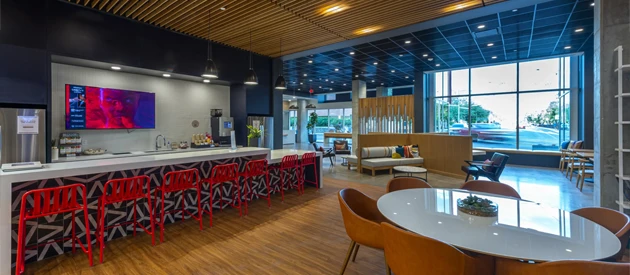
Does the marketing plan actually change as the property moves from pre-construction to opening?
A lease-up community moves through distinct phases, pre-construction, pre-opening, opening, and the push to stabilization, and each one calls for a different mix of awareness, urgency, and proof. A campaign built once at kickoff and left alone drifts out of sync with what the property can actually deliver by the time it’s live. We build the plan around that sequence from the start, so messaging shifts as the delivery date gets closer instead of running the same creative through every phase.
Is spend calibrated to units coming online, or just set at a flat monthly budget?
The number that matters in a lease-up isn’t total leads, its units leased per month against the schedule tied to debt service. Overshooting lead volume early wastes budget on demand the property can’t yet fulfill, and undershooting it risks missing the absorption pace a lender is watching. We pace campaigns to the actual delivery timeline, adjusting spend as units come online instead of running one flat number through the whole launch.
Does targeting reflect who’s actually moving into this market, or a generic renter profile?
A lease-up community sits in a specific local market, sometimes drawing from a nearby employer base, sometimes from a broader relocation pattern, and a build-to-rent or phased-delivery project adds its own targeting wrinkles on top of that. Generic renter targeting misses the audience actually likely to sign in that first wave. We build targeting around the real demand drivers for that specific location and delivery type, rather than a one-size profile applied to every launch.
Can a prospect actually evaluate and reserve a unit before the community has a leasing history to show?
A pre-inventory property has no reviews, no move-in photos, and no track record to reassure a hesitant renter, which makes the site and conversion path carry more weight than they would for an established community. A generic apartment-site template built for an occupied property doesn’t account for that gap. We build tour and reservation paths designed for a property still under construction, so a prospect can commit before there’s anything to walk through in person.
Does reporting tie marketing activity to absorption pace, not just raw lead counts?
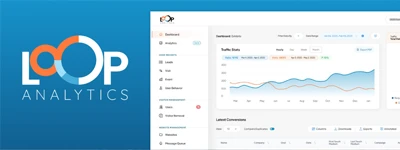
A lease-up report that stops at leads generated doesn’t tell a developer or asset manager whether the property is on pace to hit stabilization on schedule. Loop, our attribution platform, connects campaign activity to signed leases and tracks that pace against the delivery timeline, so a slow month gets caught while there’s still time to adjust. That distinction is what separates a report that looks busy from one that actually protects the pro forma.
Lease-Up Marketing Review
Request A Lease-Up Marketing Strategy Review
Bring OuterBox into the conversation before the next opening date forces a reactive media push. We will review the lease-up timeline, property positioning, channel mix, creative needs, website readiness, tracking gaps, and reporting path so the plan lines up with the occupancy outcomes ownership expects.
Services
"*" indicates required fields
From Start-Ups To Fortune 500 Companies, Our Clients Are Succeeding Online


Related Services
Related Housing Marketing Services





Lease-Up Marketing Resources

Digital Marketing | 6 min read
Discover the digital marketing strategies helping multifamily properties generate better leads, fill vacancies faster, and maximize occupancy in competitive markets.

AI | 7 min read
In 2026, multifamily marketing is transformed by generative AI, enhancing personalization, efficiency, and engagement. As property managers harness AI’s capabilities, they improve tenant interactions and…

Analytics | 5 min read
Thomas Jefferson once said, “Not all leads are created equal.” I think. Okay, he didn’t say that, but this sentiment holds true. Learning the elements…
Build A Stronger Lease-Up Demand Path
Your next lease-up marketing investment should make the path to stabilization clearer, not just add another channel report. Talk with OuterBox about the timing, creative, campaign mix, website paths, and reporting signals that should shape your next opening.
"*" indicates required fields
"*" indicates required fields
Lease-Up Marketing FAQs
What is lease-up marketing?
It’s the marketing that gets a new or repositioning community from its first available unit to full occupancy, run on a delivery schedule and a pro forma rather than a standing occupancy target. It ends at stabilization, when the property shifts into ongoing occupancy marketing.
When should lease-up marketing start?
Well before the first unit is ready to tour. Awareness, a website, and a priority list all need to exist before doors open, and exactly how far ahead depends on the property’s own delivery timeline and market, not a fixed rule that applies everywhere.
How do you market a community that doesn't have any units ready to show yet?
Renderings, construction-progress content, a dedicated pre-leasing site, and a priority list do the work photos and reviews would normally do. The goal is to give prospective renters enough to act on before there’s anything to physically walk through.
How is marketing a build-to-rent community different?
The audience and inventory release differently than a typical apartment lease-up, and messaging needs to account for how units are actually coming online, whether that’s all at once or in phases. OuterBox treats BTR as a segment of the same lease-up approach rather than a separate playbook.
How long does a lease-up take?
It depends on the property, the market, and the delivery schedule, not an industry average. OuterBox plans pacing against your specific pro forma rather than a borrowed timeline.
How do you measure a lease-up campaign?
Units leased per month against the delivery schedule is the real number, not leads or impressions on their own. OuterBox uses LOOP Analytics to connect marketing activity to tours, applications, and signed leases so pacing can be checked against the actual pro forma.
What happens after the community reaches stabilization?
Lease-up marketing ends and the ongoing occupancy program takes over, since a stabilized community is solving a different problem than a new one filling its first units. That’s where our multifamily marketing program picks up.
How does lease-up marketing show up in AI search?
Some renters now start their apartment search by asking AI tools like ChatGPT or Google’s AI Overviews to compare new communities. We build the community’s site content, listings, and structured data so those answers have accurate, current information to draw from, which matters most before a new property has reviews of its own.