
Senior Living & Assisted Living Marketing Agency
Assisted living marketing and broader senior living marketing have to earn trust before they can earn a tour. Families compare care levels, reviews, cost questions, location, lifestyle, and timing before they decide which community deserves a conversation.
OuterBox helps senior living operators connect SEO, paid search, paid social, retargeting, website, creative, reputation, and reporting so more qualified families become calls, forms, tours, move-ins, and measurable occupancy opportunities.






Assisted Living Marketing Has To Match How Families Decide
Senior living is not one simple buyer journey. Active adult, independent living, assisted living, and memory care all carry different expectations. A resident may care about lifestyle, independence, amenities, and comfort. An adult child may focus on safety, reviews, pricing questions, care level, responsiveness, and whether the community feels trustworthy enough to tour.
That makes generic digital marketing risky. A campaign can create leads that look affordable while the sales team still spends time sorting out wrong-fit inquiries. A website can look polished while families cannot find care-level answers, tour options, pricing context, photos, or reviews. A reporting dashboard can show conversions while leadership still cannot see which calls, forms, tours, and online move-ins came from the work.
The referral-source problem makes the pressure sharper. Many senior living teams rely on third-party referral paths because they need occupancy now, but those channels can be expensive and hard to control. Owned senior living digital marketing gives operators a different lever: build search visibility, capture high-intent paid demand, keep families engaged through retargeting and nurture, and measure whether the demand is becoming qualified move-in opportunity.
This page has a specific job. It should not replace Senior Living SEO, assisted-living marketing ideas, senior-living lead-generation resources, or the parent Housing hub. It should explain how the connected senior-living marketing program works when the goal is more control over qualified demand.
How Senior Living Operators Evaluate A Marketing Partner
Senior living buyers move through a few consistent evaluation points before they trust an agency with leasing or occupancy demand. These tabs walk the questions families, adult children, and operators actually weigh.

Can Families Find The Right Care Level?
Are assisted living, independent living, memory care, and active adult searches mapped to the right pages and campaigns?
Families do not always search for a brand first. They may search by care level, city, near-me language, memory-care need, independent-living lifestyle, reviews, pricing questions, or a specific community name. Senior living SEO and paid search should respect those differences before budget moves into broad senior terms. If every search lands on the same generic page, the family has to do the qualifying work that the marketing program should have done before the sales team ever enters the conversation or evaluates fit.
Can Owned Demand Reduce Referral Dependence?
Is the community building its own demand path, or relying too heavily on rented leads?
Referral services can help fill a short-term gap, but they should not be the only dependable source of inquiries. Senior living marketing should create owned visibility through search, paid media, retargeting, reviews, content, and follow-up paths that the operator can measure and improve. The goal is not to remove every referral partner. The goal is to keep high-cost lead sources from becoming the default answer whenever occupancy pressure rises or a market becomes more competitive across communities and care levels.
Can Reporting Connect Leads To Move-Ins?
Do reports show quality, or only lead volume?
Lead count is not enough for a senior living portfolio. A useful report should help the team understand which calls, forms, tour requests, and digital ad sources are creating qualified opportunities. One senior-living operator we support saw more qualified online leads, more move-ins from digital ads, and a lower cost per online move-in. That is the level of business signal a senior living marketing agency should be working toward when leadership has to decide what to fund next.
Does The Website Help Families Decide To Tour?
Can a family understand the community before they contact the sales team?
Trust signals matter in senior living. Families look for reviews, photos, care-level detail, amenities, pricing guidance, tour options, contact paths, and signs that the community can answer their specific situation. A website that hides those answers can turn interested families into anonymous exits. Stronger assisted living marketing gives each community a clearer path from research to contact, without asking the visitor to decode everything alone or forcing the sales team to start with basic education during the first follow-up conversation.
Can Campaigns Respond Before Occupancy Pressure Rises?
Is marketing proactive enough to support the community before the final push?
Senior living demand changes by market, care level, availability, season, and local competition. Paid search can capture high-intent families quickly, but retargeting, SEO, reviews, creative, and nurture keep the community visible while people compare. Dial Senior Living is the clearest example here. We ran paid search optimization, retargeting, social advertising, and SEO across the portfolio and drove stronger performance and more walk-in tours across many properties, without turning one channel into the whole story. Families rarely decide on the first touch, so the mix has to keep the community present while they compare options.
Reach The Families Who Make The Decision
In memory care and assisted living, the adult children make the call. We build campaigns, creative, and website paths that answer their questions first. We measure the inquiries and form fills that point to a real move-in, and we bring what we have learned across senior living markets into the plan before you spend.
OuterBox builds senior living marketing around the families who make the decision.
What Better Senior Living Marketing Should Produce
Better senior living marketing should make the family path easier to understand from both sides. Families should find care-level answers, trust signals, and tour options faster. Sales teams should receive inquiries with enough context to follow up well. Leadership should see which sources are producing qualified opportunities instead of asking whether traffic or lead volume went up.
The outcomes to look for are practical: stronger visibility for senior and assisted-living searches, more useful calls and forms, better retargeting, clearer tour paths, lower waste in paid media, and reporting that helps operators judge cost per qualified opportunity.

Senior Living Campaigns That Improved Move-In Economics

Senior-living growth for Dial Senior Living.
Dial Senior Living needed a stronger digital program across a nationwide senior-living portfolio. We ran a coordinated program across paid search advertising, geofence/display, social media advertising, and SEO that gave the operator a stronger digital footprint and more qualified demand.
Another senior-living operator we work with saw 54% more qualified online leads, 39% more move-ins from digital ads, and an 18% lower cost per online move-in. The shift was strong enough that 68% of its communities canceled third-party referral-service contracts. Senior living marketing should be judged by qualified demand and move-in economics, not by activity alone.
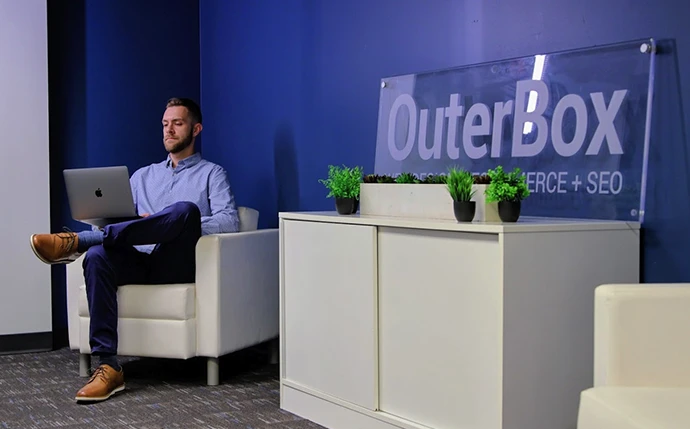
Meet OuterBox
Senior living operators need an agency that can coordinate search, paid media, retargeting, creative, website work, reputation, email, and analytics without turning the program into disconnected channel reports. OuterBox brings those disciplines together around one commercial question: which marketing work is creating qualified demand that communities can act on?
That matters when a paid campaign needs a better landing page, when SEO needs care-level content, when a website needs a cleaner tour path, when reputation signals are affecting family trust, and when leadership needs reporting that separates high-intent inquiries from noise. A senior living marketing agency should understand that an SEO issue may also be a trust issue, a paid media issue may be a landing-page issue, and a lead-quality issue may be a reporting issue.
20+ Years
Digital Marketing Agency
1000+
Successful Client Partnerships
2M+
Page #1 Google Rankings
300+
USA-Based, In-House Experts
Senior Living Marketing Review
Request A Senior Living Marketing Strategy Review
Bring OuterBox into the conversation before another campaign spends against unclear lead quality. We will review how families find your communities, where paid media is creating demand, how the website supports tours, where referral dependence may be too high, and what reporting shows about calls, forms, tours, and move-ins.
Services
"*" indicates required fields
Where Generic Senior Living Marketing Breaks Down
Senior living marketing usually fails in recognizable places. The problem is not always effort. It is often that the effort is aimed at the wrong signal or divided across teams that do not share the same occupancy context before spend increases.

- Care-level mapping: Care-level search demand gets mapped before content and campaigns expand, so assisted living, independent living, memory care, and active adult paths have clear roles.
- Lead quality: Paid media is judged by qualified opportunity, with structure around care intent, location, exclusions, landing-page fit, and lead-quality feedback.
- Website & CRO: Website and CRO work make reviews, photos, care-level answers, tour requests, calls, and forms easier for families to use.
- Engagement: Retargeting, social, email, and content keep families engaged during a longer comparison path.
- Reporting: Reporting connects channels to calls, forms, tours, online move-ins, and cost signals where the sales process allows it.
Generic Senior Living Marketing
- Care-level mapping: Every family lands on the same generic page, and sales has to explain basic care-level fit before a tour can be discussed.
- Lead quality: Campaigns look busy while budget leaks into broad senior traffic, low-fit searches, or inquiries that never become tours.
- Website & CRO: A polished website still leaves adult children hunting for trust signals and practical next steps.
- Engagement: The community disappears after the first visit, even though the family decision often happens across multiple conversations.
- Reporting: Dashboards stop at clicks and lead count, leaving leadership unsure whether marketing is improving occupancy economics.
Senior Living Marketing Resources

Digital Marketing | 11 min read
Senior living lead generation playbook for better senior living leads, stronger follow-up, more tours, and clearer move-in reporting.

SEO | 16 min read
Whether you handle your search engine marketing in-house or hire an SEO agency to develop and manage your campaign, it is extremely important to be…

Digital Marketing | 5 min read
Navigate uncertainty by prioritizing lead quality to enhance conversion rates, optimize processes, and drive sustainable growth.
How The Senior Living Marketing Program Comes Together
The strongest programs move in a practical sequence. The point is not to run every channel at once. It is to understand how families find the community, where trust breaks down, which sources create qualified inquiries, and what the sales team needs to move someone from interest to tour.
Creative planning accounts for lifestyle, care-level clarity, family trust, reviews, community photos, video, collateral, and landing-page assets so families can understand the community before they call or schedule a tour.

-
Map communities, care levels, and demand. Your program starts with the way families search and the way the sales team qualifies. Community locations, care levels, pricing questions, reviews, tour paths, availability, and referral-source dependence all shape the plan.
-
Build the search and page architecture. Your pages should support the searches and questions that matter most: care-level pages, community pages, local SEO cleanup, family-question content, stronger internal links, updated metadata, and answers that support both search engines and families.
-
Align paid media with real intent. Your paid campaigns should support the same map, with keyword structure, negative keywords, local targeting, branded search, retargeting, social creative, landing-page fit, and cost per qualified conversion working as one program.
-
Improve the website and follow-up path. Your site should help families act and help sales prioritize. Calls, forms, tour requests, chat, directions, care-level content, reviews, and nurture paths all affect whether an interested family becomes a qualified conversation.
-
Close the lead-to-move-in loop. Your leadership team should see which sources, pages, campaigns, calls, forms, and tour paths create useful opportunities. Reporting should feed the next round of SEO, paid media, website, creative, and follow-up decisions.
What Makes OuterBox Different For Senior Living Communities

Care-Level Search Fluency
Your search strategy accounts for the way families use assisted living, independent living, memory care, active adult, local, review, and community-name language. That keeps the program anchored in the demand your sales team recognizes instead of broad senior traffic.

Owned Demand Strategy
Your SEO, paid search, paid social, retargeting, reputation, and nurture work should reduce overreliance on expensive rented lead sources. The relationship between channels is explicit, so the program does not drift into disconnected reports or one-channel explanations.

Trust And Tour Path Discipline
Your website and conversion work should help families find the answers they need before they contact the community. The program looks for missing trust signals, unclear care-level paths, weak tour requests, and forms or calls that lack useful context.

Lead Quality Reporting
Your reports should help leadership decide what to fund next. The program connects rankings, traffic, paid spend, calls, forms, tours, online move-ins, and cost signals where available, so the next step is based on qualified demand.

Creative That Fits The Decision
Senior living creative has to respect lifestyle, care, family influence, and trust. It should not look like generic gallery advertising or broad lifestyle stock. The right creative helps a family understand why the community belongs on the short list.

Trust-First Positioning
Families and adult children make a high-trust, high-stakes decision, so the marketing has to be credible before it asks for a tour. OuterBox keeps care-level claims accurate and senior-living results grounded in real outcomes, so each community earns belief and families feel confident reaching out instead of doubting overstated promises.
Related Services
Related Senior Living Marketing Services






Build A Stronger Senior Living Demand Path
Your next marketing investment should make the family path clearer, not just add another channel report. Talk with OuterBox about the searches, paid campaigns, referral-source pressure, website paths, and lead-quality signals that should shape your senior living growth plan.
"*" indicates required fields
"*" indicates required fields
Senior Living Marketing FAQs
What is assisted living marketing?
Assisted living marketing is the use of SEO, paid search, paid social, retargeting, reputation, website content, email, creative, and reporting to help families find and contact an assisted living community. The work should account for adult-child influence, care-level questions, reviews, pricing concerns, local search, tours, and move-in goals.
How is senior living marketing different from general local marketing?
Senior living marketing has to handle a more sensitive and specific decision. Families compare care levels, reviews, community quality, cost questions, location, availability, tour options, and trust signals. A general local campaign may create traffic or leads, but it can miss the care-level and family-decision context that determines whether an inquiry becomes useful.
What channels work best for senior living digital marketing?
The right mix depends on the community and portfolio, but senior living digital marketing often includes SEO, paid search, paid social, retargeting, reputation management, website/CRO work, email nurture, and lead attribution. Paid search can capture high-intent demand quickly. SEO and reputation help families find and trust the community over time.
How can senior living operators reduce dependence on referral services?
Operators can reduce dependence by building owned demand through SEO, paid media, retargeting, reviews, community content, stronger website paths, and reporting that shows which sources create qualified calls, forms, tours, and move-ins. Referral partners may still have a place, but they should not be the only dependable demand source.
What should a senior living marketing agency measure?
A senior living marketing agency should measure more than clicks and raw leads. Useful signals can include qualified calls, form submissions, tour requests, online move-ins, cost per online move-in, cost per conversion, source quality, campaign, landing page, care-level interest, and sales-team feedback where available.
Should SEO continue when a community is full?
Often, yes. Communities may pause some tactics when occupancy is high, but SEO should continue when the goal is to preserve or improve organic rankings. The budget mix can change, but losing search visibility can make the next occupancy push harder.
Can OuterBox support assisted living, independent living, memory care, and active adult communities?
Yes, when the engagement scope calls for it. The marketing plan should separate care-level demand instead of treating every senior living audience the same. Assisted living, independent living, memory care, and active adult communities can require different keywords, pages, messaging, creative, and follow-up paths.