
Senior Living SEO Services for Communities and Care Portfolios
Senior living SEO has to answer the questions families ask before they schedule a tour. OuterBox helps senior living operators build search visibility around care levels, community pages, local trust signals, technical SEO, and reporting that connects rankings to the calls, forms, tours, and move-in conversations your team actually needs.






Why Senior Living SEO Matters Before Families Tour
Senior living search starts before a family knows which community to call. An adult child may compare assisted living options near a parent. A spouse may look for memory care guidance after a diagnosis changes the timeline. A prospective resident may research active adult or independent living months before a move feels urgent. Senior living search engine optimization has to serve all of those paths without blending them together.
The resident is not always the only searcher. Adult children, spouses, caregivers, and family decision makers compare care options, safety signals, reviews, price and value cues, and community quality before the future resident is ready for a tour. That changes the keyword set and the content job, and it is why a generic local SEO plan rarely answers the harder question: can families understand fit quickly enough to take the next step?
Care-level intent also drives page architecture. Active adult, independent living, assisted living, memory care, and respite care may each need distinct treatment when a community offers them. The right structure helps each page carry a clear job: what care is offered, who it is for, where it is available, what questions families ask, and how to take the next step. Care-level pages explain the differences, location pages make each community easier to find and trust, and technical SEO keeps those pages crawlable, fast, indexable, and internally connected.
The business case is simple: owned search visibility gives your portfolio a demand source you control more directly than rented lead sources, and it makes the whole demand program healthier by giving families clear answers before they reach your forms, phones, and tour scheduler.
How Families Evaluate a Senior Living Community
Senior living SEO works when it follows the way families compare options. Each panel answers a real question that happens before the visitor becomes a qualified call, form, or tour request.

Can families understand the right care level quickly?
SEO for assisted living communities needs clearer care-level language than a generic senior community page can carry. Families weigh independence, support, medication help, memory care, respite stays, dining, safety, and daily routines before they are ready to talk to sales. Your SEO program should give each care level its own clear page — active adult, independent living, assisted living, memory care, and respite care — instead of blurring them into one soft description.
Each page should answer what the care includes, who it fits, and what changes if a resident’s needs grow over time. When the fit is obvious on the page, families reach the tour already confident the community can serve them, and your sales team spends less time on basic qualification.
Does each community look credible in its own market?
Community pages need more than a city name and a contact form. Assisted living local SEO depends on consistent community information, location-page depth, internal links, reviews, photos, amenities, care details, and clear calls or forms. Thin location pages may rank for the parent brand, but they seldom earn the click when families are comparing several nearby communities at once.
Each location should show enough local proof — real photos, current details, nearby landmarks, and care options — to feel like a specific place a family can visit, not a templated stub. Consistent map, listing, and NAP signals are what help a community surface for the near-me searches that drive tours.
Do families see enough trust before the tour?
Reviews and reputation signals carry extra weight because senior living choices are personal and high-stakes. SEO content should support that trust honestly — showing real reviews, safety information, photos, pricing clarity, and family-focused answers — instead of leaning on unsupported rating markup or turning testimonials into a gimmick.
Families want to see how a community handles safety, daily care, pricing questions, and the touring process before they pick up the phone. When those answers are visible and credible, a hesitant family keeps reading; when they are missing, even a strong community can lose the comparison to one that simply explained itself better.
Are care pages and community pages connected cleanly?
Senior living portfolios usually need a cleaner internal path between care-level pages, community pages, resources, FAQs, and contact points. An assisted living page should not compete with a memory care page for the same term, and each community page should link naturally to the care levels it offers.
Internal links, breadcrumbs, page titles, headings, and a clear URL structure help search engines understand how the portfolio fits together — and help a family move from a care-level question to the right local community without starting over. Clean architecture also keeps duplicate or near-duplicate pages from splitting your rankings as the portfolio adds and renames communities.
Can answer engines cite your information safely?
Senior living GEO belongs inside the SEO program, not in place of it. AI summaries and answer engines reward clear, specific, well-structured content that explains care options without overclaiming. Care definitions, FAQs, comparison language, service-area context, and structured-data eligibility all help answer engines describe your communities accurately.
The fundamentals still come first: a page that is thin, duplicated, or unclear for Google will not earn citations from AI tools either. The same care-level clarity and clean structure that help families also give answer engines something trustworthy to quote.
Do rankings connect to calls, tours, and move-ins?
Rankings matter, but senior living SEO should reach past a keyword report. Your team needs to see which pages create qualified calls, form fills, tour requests, and move-in opportunities — and which traffic is just browsing. Reporting should separate high-fit family research from broad, low-intent visits so leadership can tell where search is genuinely supporting occupancy.
That view shows where SEO is carrying its weight, where paid media should fill a gap, and where a community page needs a clearer conversion path. Connected this way, search visibility becomes a demand signal leadership can act on, not just a number that went up.
Senior Living SEO Strategy Connected to Business Goals
Watch how OuterBox builds SEO strategy, collaboration, and ranking growth around real business goals. It is the same discipline we bring to senior living search: aligning content, technical structure, and search priorities with the calls, tours, and move-ins a portfolio needs to win.
See how OuterBox connects SEO strategy to business goals, content structure, and stronger search visibility.
What Better Senior Living SEO Should Produce
Better senior living SEO should make the right community easier to find, understand, and choose. Rankings are part of that, but the end goal is not a prettier keyword report. The goal is qualified demand from families who understand care fit before the first call.
That means assisted living pages that answer assisted living questions, memory care pages that respect the urgency of the search, community pages that make local trust clear, technical foundations that hold up as the portfolio grows, and reporting tied to calls, forms, tours, move-ins, and occupancy pressure.

Senior-Living Results From Dial Senior Living

Senior-living demand results for Dial Senior Living.
Every senior living portfolio has its own market, care mix, and sales process. Dial Senior Living shows what a connected digital program can do for a nationwide senior-living portfolio.
We ran Dial’s program across paid search, retargeting, paid social, and SEO, and the connected approach gave the portfolio a stronger owned-demand engine and more qualified family demand. That is the point: SEO works hardest when the search path, website, paid channels, retargeting, and measurement all support the same family decision.
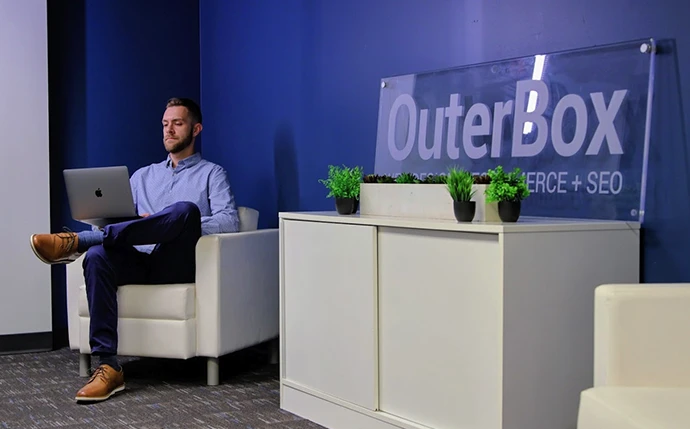
Meet OuterBox
OuterBox brings senior living SEO into a larger performance marketing system. SEO, paid media, web design, CRO, analytics, content, and strategy sit under one roof, so search work does not drift away from the channels and conversion paths that influence tours and move-ins.
That matters because the senior living path is rarely simple. A family may find a care-level page through organic search, return through a branded query, compare reviews, click a paid ad, call from a community page, and schedule a tour after several visits. A connected team can diagnose the search problem, fix the page structure, support conversion paths, and keep reporting tied to the business question. OuterBox has been building search programs since 2004, and our in-house team brings SEO depth, technical skill, content strategy, paid media context, and analytics support into one operating structure.
20+ Years
Digital Marketing Agency
1000+
Successful Client Partnerships
2M+
Page #1 Google Rankings
300+
USA-Based, In-House Experts
Senior Living SEO
Get a Free Senior Living SEO Quote
Senior living SEO should be planned around the searches, pages, and conversion paths that already influence families. Send us your portfolio, care-level priorities, and current search concerns. OuterBox will help you identify where owned search can support more qualified demand.
Services
"*" indicates required fields
Where Generic Senior Living SEO Breaks Down
Senior living operators usually do not need a longer list of SEO tasks. They need the right tasks connected to the right family decision. These are the common places generic SEO work misses the point.

- Care-level intent: Care-level keyword and page planning gives each major intent a clear job, so families and search engines can understand fit faster.
- Community pages: Community pages include enough local, care, amenity, review, and tour-support context to help families choose a specific location.
- Technical SEO: Technical SEO keeps the site clean as the portfolio changes, so the right pages stay visible instead of competing with stale or duplicated URLs.
- Family-question content: Senior living content earns qualified attention by answering the questions that happen before a call, form, or tour request.
- Reporting: Reporting connects terms, pages, calls, forms, tour requests, and move-in context so search work can be judged against demand quality.
Generic Senior Living SEO
- Care-level intent: Assisted living, independent living, active adult, and memory care copy blends together until families cannot tell which page fits their need.
- Community pages: Location pages repeat the same short copy with a city swapped in and a contact form underneath.
- Technical SEO: New communities, old redirects, duplicate templates, and weak internal links make important pages harder to crawl and understand.
- Family-question content: Content targets broad traffic but avoids the questions families ask about cost, safety, care levels, reviews, touring, and move-in timing.
- Reporting: SEO reporting stops at rankings and sessions, leaving leadership unsure which search wins matter to occupancy.
Senior Living SEO Resources for Family Demand

Digital Marketing | 5 min read
Website traffic is a vital driver of overall business growth, so it’s important to learn multiple methods to increase your website traffic. It improves your…

SEO | 16 min read
Whether you handle your search engine marketing in-house or hire an SEO agency to develop and manage your campaign, it is extremely important to be…

Digital Marketing | 5 min read
Navigate uncertainty by prioritizing lead quality to enhance conversion rates, optimize processes, and drive sustainable growth.
How the Senior Living SEO Program Comes Together
Senior living SEO needs enough process to be accountable without turning the page into an operator checklist. OuterBox uses the work below to connect search visibility to the family decision path, then keeps the program tied to calls, forms, tours, and move-in conversations.

-
Map Care-Level and Local Search Demand. Your portfolio’s SEO plan starts by separating care-level, local, family-question, brand, and community-name demand so the right pages exist and terms do not compete.
-
Build the Page Architecture Around Fit. Care-level pages, community pages, resources, FAQs, and conversion paths need a clear internal structure. Families should move from “what type of care do we need?” to “which community should we tour?” without losing context.
-
Fix the Technical Signals That Hold Pages Back. Important senior living pages need to be crawlable, indexable, fast, mobile-friendly, and internally linked. Redirects, duplicate copy, template problems, and unclear structured data eligibility get handled before they quietly limit visibility.
-
Write Content Families Can Use. Search content should help people make a hard decision. Cost guidance, care-level comparisons, reviews, safety, amenities, tour expectations, move-in timing, and family FAQs all belong when they match the page intent.
-
Measure Search Against Qualified Demand. SEO reporting should help leadership see which rankings and pages are producing useful calls, forms, tour requests, and move-in conversations, keeping SEO connected to occupancy.
What Makes OuterBox Different for Senior Living SEO
Senior living SEO needs a partner who can understand care-level search and still stay close to the revenue path. OuterBox brings the SEO depth, connected marketing team, and measurement discipline to keep the work tied to qualified demand instead of disconnected rankings, broad traffic, or generic community-page updates.

Search Strategy Around the Family Decision
Your pages are planned around how families compare care, location, cost, reviews, safety, and next steps. That keeps SEO from becoming a traffic project detached from the tour path, and it gives sales a stronger conversation when a family finally reaches out.

Technical Depth for Portfolio Sites
Your site can change as communities are added, consolidated, renamed, or repositioned. OuterBox technical SEO helps protect crawlability, indexation, internal links, redirects, and page performance as that happens, so the pages families need do not disappear behind stale templates.

Content That Respects the Stakes
Senior living content cannot sound like a generic apartment page or a clinical care brochure. OuterBox writes around the real questions families bring to the search, then ties those answers back to the right community and conversion path.

Integrated Marketing Context
SEO rarely works alone in senior living. OuterBox can coordinate search strategy with paid media, web design, CRO, analytics, and content so the family journey does not fracture across vendors, channels, and disconnected reports.

Reporting Built for Better Decisions
Leadership needs more than rankings. OuterBox reporting connects search visibility to qualified calls, forms, tour requests, move-ins where available, and the parts of the portfolio that need more attention, so SEO decisions stay close to occupancy pressure.
Related Services
Related Housing and SEO Services






Build a Senior Living Search Path Families Can Trust
Senior living SEO should help families understand care fit before they call and help your team see which search work supports real demand. Bring OuterBox the pages, communities, and terms that matter most, and we will help you find the strongest next moves.
"*" indicates required fields
"*" indicates required fields
Senior Living SEO FAQs
What is senior living SEO?
Senior living SEO is the work of improving organic search visibility for senior living communities, care-level pages, location pages, and family-focused resources. It connects keyword strategy, content, technical SEO, local search, internal links, and measurement around calls, forms, tours, move-ins, and occupancy support.
How is assisted living SEO different from general senior living SEO?
Assisted living SEO needs stronger care-level clarity because families often compare support needs, safety, services, reviews, pricing signals, and tour timing. General senior living SEO may cover the broader portfolio, but assisted living pages need to answer that specific care-level intent.
Should every senior living community have its own SEO page?
Every community needs enough local page depth to support search visibility and family trust. The right structure depends on the portfolio, care levels, location strategy, and content quality. Some communities need separate care-level pages, while others need stronger community pages and internal links.
What should senior living SEO measure besides rankings?
Senior living SEO should measure qualified calls, forms, tour requests, move-ins where available, page engagement, local visibility, and the quality of traffic by intent. Rankings matter, but leadership needs to know which pages and terms help families move toward a real conversation.
Does senior living SEO help reduce referral-source dependence?
Senior living SEO builds owned demand by making your communities easier to find and understand in organic search, which gives your portfolio more control over qualified inquiries and reduces overreliance on referral sources. Referral partners can still play a role, but they no longer have to be your only dependable source of demand.
How does GEO fit into senior living SEO?
GEO supports senior living SEO by making content clearer for AI summaries and answer engines. Care definitions, FAQs, location context, and well-structured pages help search systems understand the portfolio. GEO should support the SEO foundation, not distract from crawlability, content quality, local visibility, and conversion paths.
What content helps families choose a senior living community?
Useful senior living content answers care-level differences, cost and payment questions, safety concerns, reviews, amenities, floor plans, touring expectations, and move-in timing. The best content helps families understand fit and gives sales a more informed conversation.
Why choose OuterBox for senior living SEO?
OuterBox connects SEO strategy with technical SEO, content, paid media context, web/CRO, and analytics. That matters for senior living because families rarely move from first search to tour in one step. Your search program needs to support the whole decision path.