
nopCommerce Development Services For Stores That Need More Than A Theme
nopCommerce development services should cover the whole store, not just the theme a shopper sees on launch day. Your catalog, integrations, checkout, SEO foundation, conversion path, and post-launch roadmap all affect whether the build holds up after the first release.
"*" indicates required fields
"*" indicates required fields






OuterBox builds nopCommerce websites with an eCommerce web development team that brings design, development, SEO, CRO, and analytics into the same planning process. OuterBox has developed dozens of nopCommerce websites, with designers, programmers, SEO specialists, CRO strategists, and digital marketers working under one roof.
That structure matters when the store is complex. A nopCommerce website can support custom themes, multiple stores, product attributes, category SEO fields, discounts, integrations, and custom checkout logic. Those pieces need to be scoped together, or the project turns into a launch that looks finished but still leaves the business with operational cleanup.
For teams trying to hire nopCommerce developers, that mix matters because the build has to connect storefront design, backend logic, integrations, SEO, and post-launch support.
What's Included In Our nopCommerce Development Services
The completed service tab module covers the six workstreams buyers evaluate before they choose a nopCommerce partner. Each workstream belongs in the same program: a custom theme affects SEO, CRO, and merchandising; ERP and CRM integrations affect checkout, fulfillment, customer service, and reporting; migration planning affects rankings, historical order data, and launch timing; and post-launch support determines whether the store keeps improving after the first release.

Service Components
Custom nopCommerce theme development built around how shoppers actually buy
Your storefront has to feel designed for your catalog, your brand, and the way customers compare products. eCommerce website design for nopCommerce starts with responsive UX, clear category paths, and theme architecture that your team can keep improving after launch.
That planning matters because a custom theme touches navigation, merchandising modules, product detail layouts, and the content surfaces your team uses every week.
- Shoppers get product, category, cart, and checkout templates that work cleanly across phone, tablet, and desktop.
- Your theme structure stays maintainable because the Themes folder, theme.json, assets, images, and style files are planned before buildout.
- Catalog teams can update content blocks, merchandising surfaces, and page components without waiting on a redesign cycle.
- Accessibility patterns, responsive breakpoints, and brand details stay consistent across the templates customers see most often.
The finished theme gives shoppers a nopCommerce website that looks custom, loads predictably, and stays practical for the team managing it.
System integrations that keep nopCommerce data moving cleanly across the business
Your store depends on the systems around it as much as the storefront itself. An ERP ecommerce integration plan for nopCommerce has to account for product data, inventory, customer records, order status, payments, tax, shipping, and reporting before custom development begins.
- Inventory stays aligned when ERP, PIM, warehouse, and store data share the same rules for availability and product changes.
- Orders move to finance and fulfillment with the payment, tax, shipping, and customer details each team needs.
- Customer records stay cleaner when CRM, account data, quote requests, and repeat-buyer history follow mapped fields.
- Product content moves with fewer manual edits when PIM or DAM assets feed images, specs, attributes, and catalog copy.
- Custom nopCommerce development services have a clearer scope when databases and third-party systems are mapped before code is written.
Operational data moves through your stack with fewer blind spots, giving every team a cleaner view of the order lifecycle.
Performance and SEO foundations for a nopCommerce website that can scale
Your category and product pages need a technical base that supports both shoppers and search engines. Core Web Vitals optimization for nopCommerce has to consider templates, images, scripts, caching, hosting, structured data, and search engine friendly page names together.
- Pages stay easier to crawl when category URLs, product URLs, canonical rules, redirects, and XML sitemaps are planned early.
- Shoppers reach key templates faster when image handling, CDN behavior, caching, and render-blocking assets are tuned around catalog paths.
- Product and category templates can support schema markup, breadcrumbs, review signals, and metadata without one-off page fixes.
- Faceted navigation, price filters, and product attributes stay useful for shoppers while crawl controls limit duplicate URL sprawl.
- Core Web Vitals work covers LCP, INP, CLS, and TTFB across home, category, product, search, cart, and checkout templates.
Search engines reach the pages that matter, while shoppers get a nopCommerce website that does not slow down at the point of decision.
Conversion paths that make the nopCommerce build earn more from each visit
Traffic only pays off when shoppers can compare, choose, and check out without friction. CRO for a nopCommerce build looks at the same templates your development work touches: category pages, PDPs, internal search, filters, cart, checkout, account paths, and quote or contact flows.
Shoppers need product attributes, grouped products, reviews, shipping details, discount logic, and payment options to appear at the right moment. When those pieces are buried, unclear, or slow, the store can win the visit and still lose the order.
Testing gives the roadmap a stronger decision loop. Category layouts, PDP modules, cart messaging, checkout fields, and trust signals can be compared against real behavior before a change becomes permanent.
Those tests also help teams decide which improvements belong in the theme, which belong in content, and which need deeper development work.
Revenue improves when the nopCommerce development services behind the store treat usability, testing, and conversion data as part of the build, not an afterthought.
Migration planning that protects catalog data, URLs, and launch momentum
Your move to nopCommerce has to protect the data and visibility the current store already earned. SEO website migration planning gives products, categories, customers, orders, content, and URLs a rule before the launch window starts.
- Catalog data keeps its meaning when product types, attributes, grouped products, variants, images, and specifications are mapped before import.
- Rankings and backlinks stay protected when old URLs, search engine friendly page names, and redirect targets are inventoried before launch.
- Customer and order records move with the fields sales, service, finance, and fulfillment teams need after go-live.
- Multi-store, language, currency, tax, and shipping rules are checked before they create launch-day surprises.
- QA covers templates, forms, checkout, tracking, redirects, and priority pages before DNS changes.
The new store launches with cleaner catalog structure and fewer unresolved migration risks, so your team can keep momentum after the platform switch.
Post-launch support that keeps nopCommerce development tied to the roadmap
Your store keeps changing after launch: promotions shift, integrations need updates, security patches arrive, and new features move up the priority list. Web maintenance services for nopCommerce should keep those needs tied to a roadmap instead of a pile of disconnected tickets.
Future releases get easier when the same context carries from discovery, wireframes, design, development, QA, and launch into ongoing work. Version upgrades, feature sprints, bug fixes, template updates, and performance reviews can be prioritized against revenue paths, catalog complexity, and operational urgency.
Project timing also stays clearer. A net-new nopCommerce website development project may take 2 to 3 months, while smaller template updates or cleanup work can move faster when scope is defined well.
Quarterly planning keeps those requests ranked by business impact, implementation effort, and the release windows your internal team can support.
Your roadmap stays practical when support work protects the live store and keeps the next improvement connected to business goals.
How A nopCommerce Project Moves From Discovery To Launch
nopCommerce website development works best when scope, design, integrations, and launch risk are sequenced clearly. OuterBox’s legacy process still holds up: research and discovery, wireframes, design mockups, front-end programming, back-end programming, QA, and launch support.
Discovery, Scope, And Store Architecture
Your project starts with the business model behind the store. A B2B distributor, a DTC catalog, a manufacturer, and a multi-store retailer may all need nopCommerce, but they rarely need the same build.
OuterBox maps the catalog, customer paths, backend systems, required templates, administrative workflows, and known launch constraints before recommending a scope. That planning gives your team a clearer answer on what belongs in phase one, what can wait, and what needs to be solved before launch.
Scope also protects budget. A custom product configurator, ERP sync, quote workflow, or migration from a legacy catalog can change the project quickly. Documenting those requirements early keeps the build from turning into a pile of surprise requests halfway through development.
Design, Theme Development, And Integration Planning
Your theme has to carry the brand without making the store difficult to manage. nopCommerce theme development services touch templates, assets, styles, images, navigation, category surfaces, product detail layouts, and content areas your team may update every week.
OuterBox designs around those real use cases. Shoppers need to compare products, understand specs, trust checkout, and find the next step without friction. Store teams need a theme structure that stays maintainable after launch.
Integration planning runs beside design because the storefront depends on the data behind it. ERP, CRM, PIM, payment, tax, shipping, fulfillment, and reporting systems all need a shared understanding of products, customers, orders, inventory, and status changes. When those rules are mapped before development, the finished store is easier for every department to use.
QA, Migration, Launch, And Post-Launch Support
Your launch should not be the first time anyone sees how the store behaves under real conditions. QA has to cover templates, checkout, account paths, forms, tracking, integrations, redirects, search, filters, priority pages, and mobile behavior.
Migration work gets its own discipline. Product data, category structure, customer records, orders, images, URLs, and redirects need an SEO website migration plan before the launch window starts. That is especially important if the existing store already has rankings, backlinks, or paid traffic landing on key pages.
Post-launch support keeps the project from stopping at go-live. Version upgrades, feature requests, bug fixes, performance tuning, merchandising changes, and reporting needs should feed a roadmap instead of becoming disconnected tickets.
Watch: Our nopCommerce Website Development Approach
This short walkthrough shows how OuterBox runs a nopCommerce build from start to finish. We move from research and discovery into wireframes and design, then front-end and back-end development, QA, and launch support. SEO and CRO are planned into the work from the beginning, not bolted on at the end, so the store launches ready to rank, convert, and scale. After go-live, the same team supports updates, performance, and the roadmap.
What Your nopCommerce Website Has To Support
A custom nopCommerce website has to support the way shoppers buy and the way your team operates the store. Product detail pages, category templates, search, filtering, promotions, checkout, customer accounts, and admin workflows all need rules before custom development begins.
nopCommerce gives teams flexible eCommerce architecture, but that flexibility has to be planned. Themes depend on the right folder structure, theme files, assets, images, and style rules. Product attributes can affect variations, inventory tracking, price differences, grouped products, and predefined values. Category records can carry search engine friendly names, meta titles, meta descriptions, and other SEO fields.
Those details are not academic. Your store can lose momentum if product data moves poorly, filters create duplicate crawl paths, or the theme makes category updates hard for the team that owns merchandising. The better plan is to build the storefront around your catalog, your content model, and the systems that already run the business.
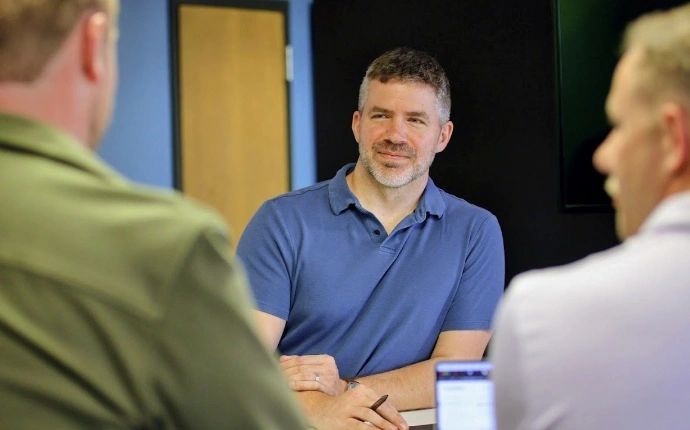
That is why our eCommerce web development work starts with operational questions:
- Your catalog structure has to support categories, products, grouped products, variants, attributes, and future merchandising changes.
- Your integrations need mapped fields for ERP, CRM, PIM, payment, shipping, tax, warehouse, and reporting systems, which is why an ERP eCommerce integration plan belongs early.
- Your design system has to make product comparison, internal search, filters, cart, and checkout easier for shoppers.
- Your SEO foundation has to protect crawl paths, redirects, metadata, structured content, and Core Web Vitals.
- Your post-launch plan has to account for version updates, bug fixes, performance reviews, and new feature requests.
The store works better when those decisions are made before code starts moving.
Real eCommerce Results
eCommerce Engineering For Complex nopCommerce Stores
Recent OuterBox engagements where design, development, and SEO ran as one program.

Replatform Without Losing Rankings
An eCommerce retailer kept its organic rankings through a full replatform. We preserved ranking signals with redirects, ran a custom product and order data import, added AJAX filtering and Smart Search, and redesigned the checkout.

Di Bruno Bros.
Di Bruno Bros. needed a better way for customers to ship gifts to multiple recipients. We rebuilt the theme and engineered a custom multi-ship checkout on BigCommerce.
Why OuterBox For nopCommerce Website Development
Your nopCommerce partner should understand eCommerce strategy, not just code. A store can be technically complete and still leave revenue on the table if the theme, integrations, SEO, CRO, analytics, and support model do not work together. That is the difference between a launch vendor and a long-term eCommerce partner.
OuterBox has worked in eCommerce since 2004, with 300+ in-house experts and more than 2M page-one Google rankings earned across client programs. Those are agency-wide proof points, not a claim that every nopCommerce project gets the same outcome. They show the depth behind the team building and supporting the store.
nopCommerce buyers usually need more than a developer who can take a ticket. They need someone who can ask the right scope questions, protect existing visibility, plan integrations, support internal teams, and stay accountable after launch. That is the work OuterBox is built to do.
One nopCommerce Development Team, Every Discipline

In-House Design
Our in-house designers shape the storefront experience, so shoppers can compare products, trust checkout, and move to the next step without friction.

Custom Development
Developers translate that experience into templates, integrations, and maintainable code your team can actually run after launch.

SEO & Conversion
SEO and CRO specialists protect visibility and conversion paths before launch, not as an afterthought once traffic or sales dip.

Analytics & Strategy
Analytics and strategy teams keep the roadmap tied to business outcomes after launch, so improvements are ranked by real impact.
Get a Free nopCommerce Web Design Estimate
Ready To Scope A nopCommerce Development Project?
We’ll answer questions, share recommendations, and provide a detailed scope, pricing estimate, and project timeline. Response within 24 hours, Mon–Fri. Prefer to talk now? Call 1-866-647-9218 (9–5 EST).
Services
"*" indicates required fields

Did you know? Pairing a nopCommerce redesign with an SEO program can help preserve rankings through migration, protect category visibility, and improve conversion paths after launch.? Explore our eCommerce SEO services >
Other Services from OuterBox
Ways to Grow Your nopCommerce Store

Frequently Asked Questions About nopCommerce Development
Is nopCommerce right for my eCommerce business?
nopCommerce can be a strong fit for eCommerce businesses that need open-source flexibility, custom storefront control, product complexity, integrations, and multi-store options. The best fit depends on your catalog, operating model, internal team, and growth plans. OuterBox can help compare nopCommerce against other eCommerce platforms before you commit.
How long does a nopCommerce development project take?
Old OuterBox project guidance put many net-new nopCommerce design and development projects in a 2 to 3 month range. Reconfirm that range before anything goes live because integrations, migration size, custom checkout needs, and approval cycles can change the schedule. Smaller template updates or cleanup projects can often move faster.
Can OuterBox redesign an existing nopCommerce website?
Yes. OuterBox can redesign an existing nopCommerce website, update templates, improve UX, clean up performance issues, support SEO requirements, and plan new features around the live store. The safest path starts with nopCommerce consulting services that audit the current theme, catalog structure, integrations, analytics, and priority conversion paths.
Can you migrate products, customers, orders, and URLs into nopCommerce?
Yes. Migration planning can include product data, category structure, customer records, order history, images, content, redirects, and search visibility safeguards. The important part is mapping fields and URL rules before launch so the new store does not create avoidable data gaps or traffic loss.
Do nopCommerce development services include SEO and CRO?
OuterBox can include SEO and CRO planning inside nopCommerce development services when the project needs it. That may cover category templates, metadata fields, internal linking, Core Web Vitals, crawl controls, product-page content, checkout friction, testing ideas, and analytics requirements.
Can you support ERP, CRM, PIM, and payment integrations?
Yes. OuterBox can scope integrations with ERP, CRM, PIM, payment, shipping, tax, warehouse, and reporting systems. The specific approach depends on the systems involved, the quality of the data, the required sync timing, and whether the integration needs nopCommerce custom development services or an existing connector.
What happens after the nopCommerce website launches?
Post-launch support can include bug fixes, version updates, performance checks, analytics review, new feature planning, conversion improvements, content updates, and roadmap prioritization through web maintenance services. The goal is to keep the store stable while the next improvements are ranked by business impact and implementation effort.
Unlock Your Business’s Potential
Send us your website for a free quote and strategy session from OuterBox, tailored to drive success.
Need an expert now? Call 1-866-647-9218
"*" indicates required fields
"*" indicates required fields
Related Articles: nopCommerce Web Development
Web Development | 7 min read
AI can spin up a functional website in minutes, but speed isn’t the same as strategy. This article breaks down where AI-powered web design tools…

Digital Marketing, Web Design, Web Development | 9 min read
Engineers are a discerning lot. They research specifications before talking to anyone, weigh all the evidence, and cringe at overt salesyness. Put differently, if the…

Digital Marketing, Web Design, Web Development | 9 min read
For a manufacturing firm, successful digital marketing hinges on the strength of your website. It’s not just whether it can attract traffic (though that’s still…